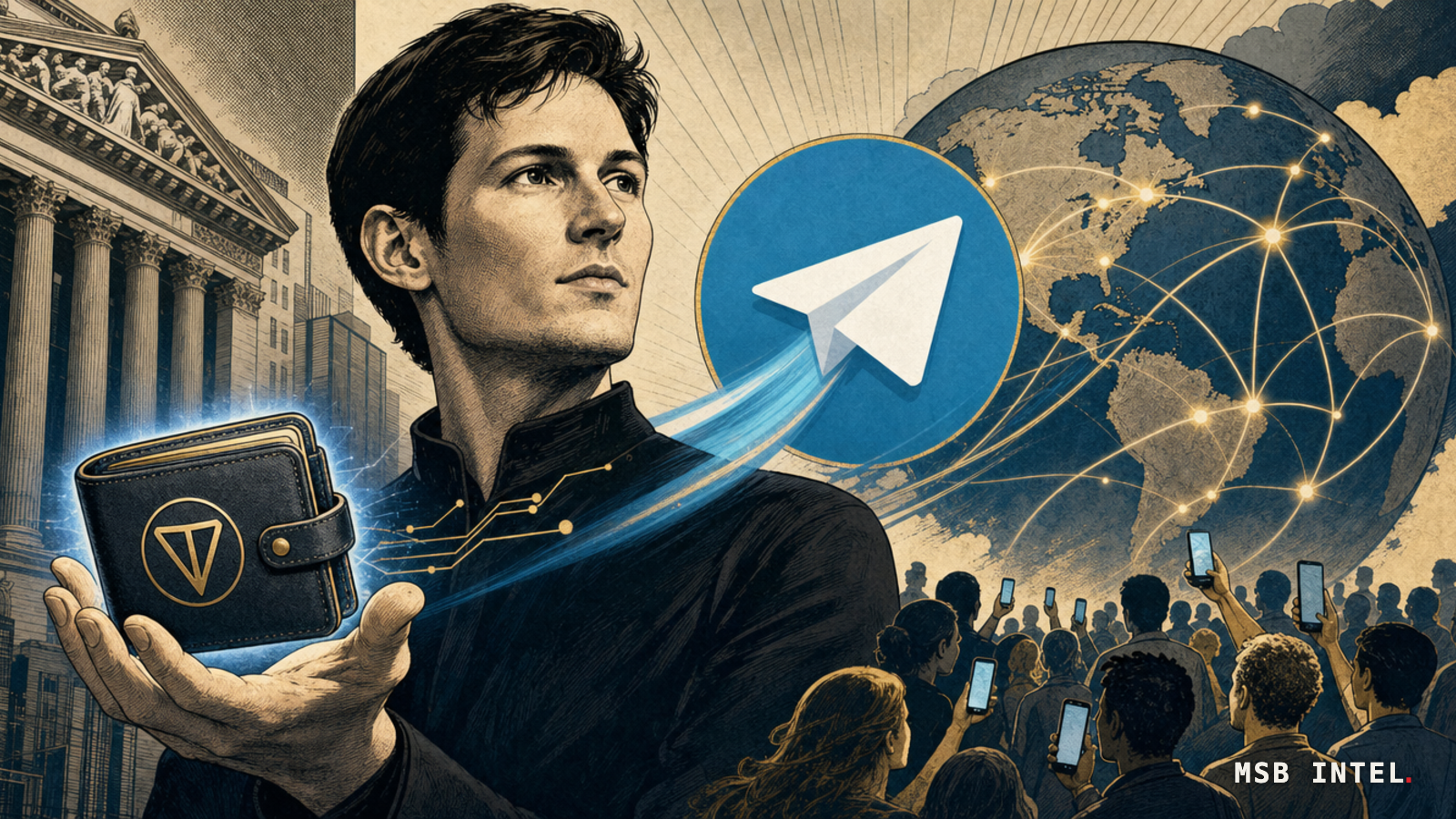
Telegram CEO Pavel Durov announced Gram Wallet, a self-custodial cryptocurrency wallet offering zero-fee trading, set to launch this summer for the messaging app's 1 billion-plus users.
The wallet will allow users to hold and trade crypto without intermediaries, with Durov calling it "the largest self-custodial wallet deployment in human history." Gram Wallet will be integrated directly into Telegram, eliminating the friction of downloading a separate application and creating accounts on external exchanges.
Telegram has positioned itself at the intersection of messaging and finance since 2020, when it began exploring blockchain infrastructure and launched the Ton blockchain. The app's user base makes the addressable market for this product vastly larger than existing non-custodial wallets. MetaMask, the industry's largest self-custody wallet by user base, reported around 30 million monthly active users as of 2024. Gram Wallet's integration into an app with over 1 billion registered accounts represents a different distribution curve entirely.
The zero-fee transaction model diverges from standard exchange economics. Most platforms derive revenue from trading spreads or flat fees; Durov did not specify how Gram Wallet will generate revenue or whether the fee structure applies only to certain transaction types. The wallet's custody model places private key management on user devices, requiring Telegram to design security infrastructure that protects novice users from self-inflicted loss or key compromise.

Telegram has faced regulatory pressure in multiple jurisdictions. The European Union has investigated the platform under the Digital Services Act; the United States has scrutinized its handling of illegal content. A crypto product with 1 billion-plus potential users would inevitably draw regulatory attention from banking authorities and securities regulators in major markets.
Telegram's history with crypto products carries execution risk. The company shelved its original Ton blockchain project in 2020 after regulatory pushback from the U.S. Securities and Exchange Commission over an uncompleted token sale. Ton later relaunched independently without Telegram's involvement and now operates as a separate blockchain network. If Gram Wallet launches on schedule and reaches even 10 percent adoption among Telegram users, it would create the single largest on-ramp to self-custody in the industry, fundamentally altering the competitive position of standalone wallet providers and centralized exchanges.
The launch window is summer 2026. Durov's track record on blockchain timelines includes delays; whether Gram Wallet ships as announced or faces regulatory or technical obstacles will determine whether this becomes a structural shift in wallet adoption or another deferred crypto initiative from the company.