
Bitget raised its confirmed loss from the September security breach to $387.5 million after accounting for additional ZEC and TRX transfers, and launched a 5% bounty program for any funds frozen or recovered through exchanges, researchers, and community assistance.
The exchange said no further transfers occurred beyond those now included in the revised total. The company plans to publish a detailed withdrawal timeline by 4:00 AM UTC on Saturday. Bitget will distribute recovered funds through Bybit's Lazarus bounty platform, a site operated by the blockchain analysis firm Chainalysis that coordinates recovery efforts and incentivizes the return of stolen assets across multiple breach incidents.
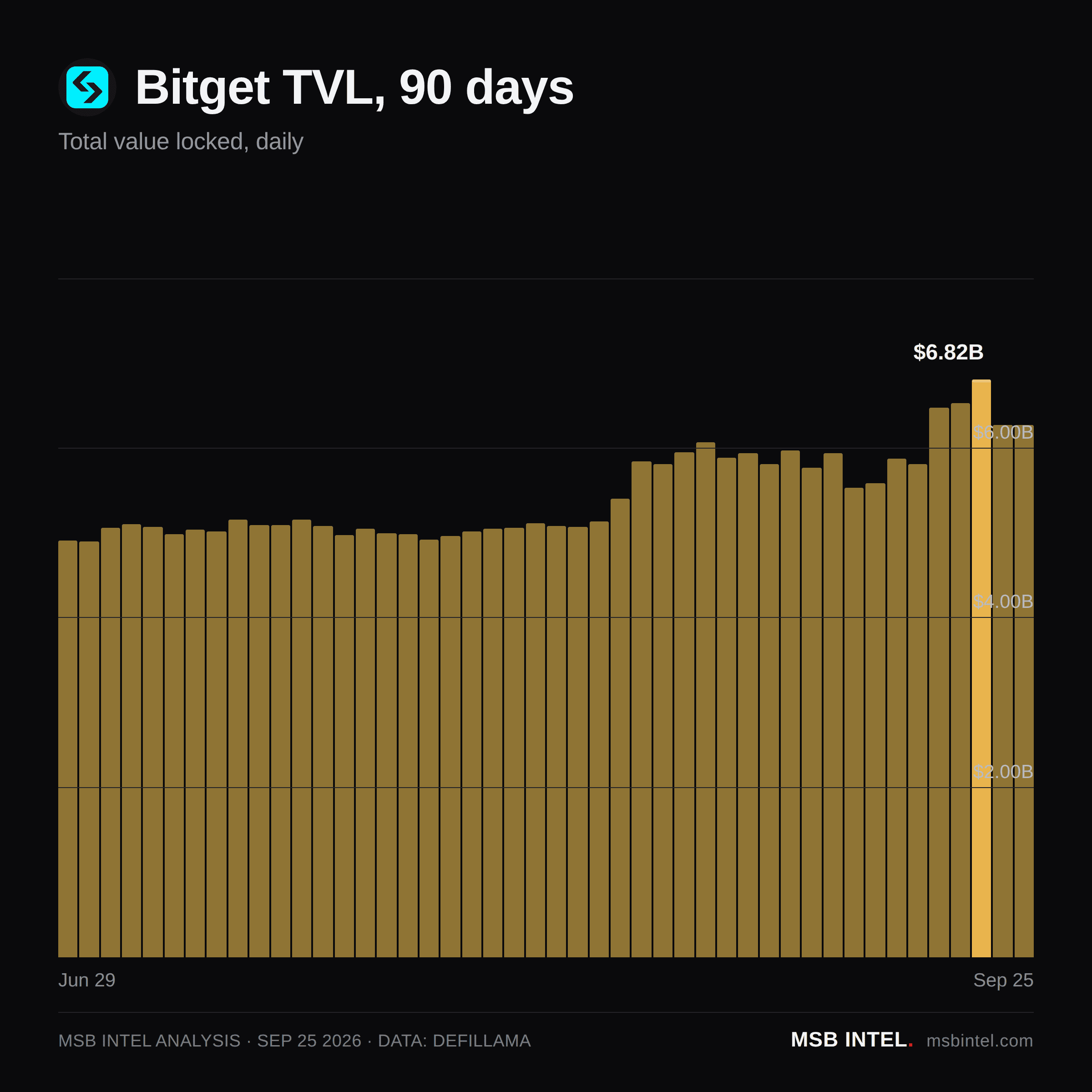
Bitget first disclosed the breach on September 24, initially estimating the loss at around $300 million. The revision on September 25 added transfers in Zcash and Tron that had not been included in the first accounting. The 5% bounty applies to assets either frozen at exchanges or voluntarily returned by holders. That structure gives custodians and individual wallet holders a financial incentive to cooperate rather than liquidate the stolen funds on decentralized exchanges or convert them through mixers.
The Lazarus platform has coordinated recovery across major breaches in the crypto sector over the past three years. Bybit and other exchanges have used it to post bounties on stolen funds, with payouts triggered when assets are actually returned or prevented from moving. Bitget's decision to use the same channel aligns its recovery efforts with industry precedent set after the FTX collapse and earlier major hacks.
The revised $387.5 million figure places this breach among the largest confirmed cryptocurrency exchange thefts on record. The 2022 Ronin Network bridge exploit and the 2023 Poly Network hack both exceeded $600 million in stated losses, though the Bitget incident remains in the upper tier of incidents where the exchange has issued a final accounting.
Bitget's announcement did not name any suspected actor, though the company said it was cooperating with law enforcement and blockchain analysis firms on the investigation. The exchange has pledged to cover all user losses from its own insurance and operational reserves, a commitment that affects its capital position for the coming quarter.