A Washington state court ordered prediction market platform Kalshi to halt most of its offerings in the state, while Baltimore filed a separate lawsuit the same day naming Kalshi, Polymarket, Coinbase, Robinhood and Webull over unlicensed sports betting.
Judge McHale issued the court order on August 13, halting Kalshi's sports, elections, politics, entertainment, culture, technology and science prediction markets in Washington. The order came as the state attorney general challenged whether prediction contracts qualify for an exemption under federal commodity law that currently shields them from gambling regulation.
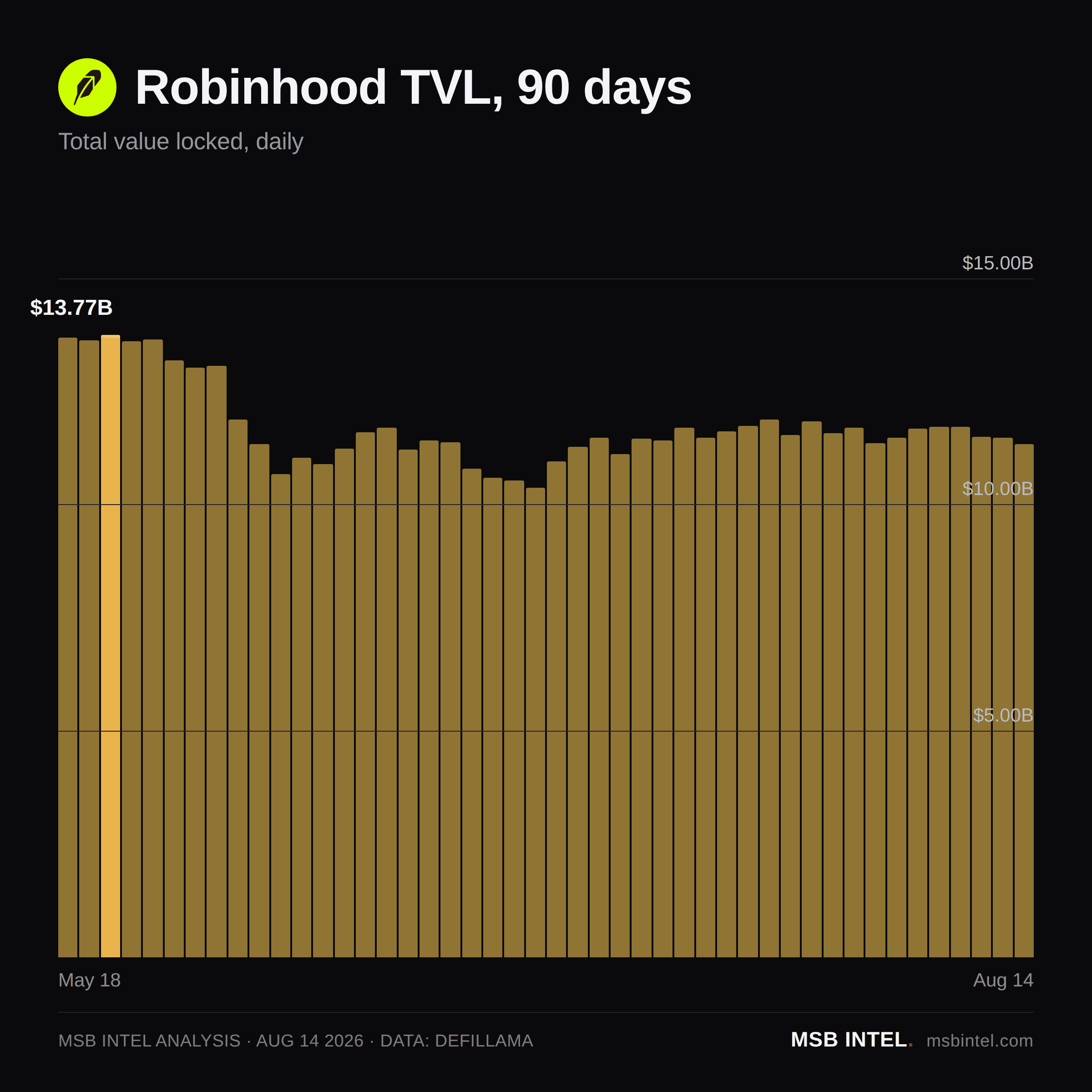
Baltimore's complaint, filed the same day, extends the legal pressure beyond the platforms themselves. By naming Coinbase, Robinhood and Webull as distribution partners, the city targets the brokers and apps that route customer order flow into Kalshi and Polymarket. State and local enforcement is now testing whether the financial intermediaries routing retail capital into prediction markets face joint liability.

Prediction markets have operated in a legal gray zone since their modern revival. The Commodity Futures Trading Commission granted Kalshi and Polymarket no-action letters beginning in 2021, effectively permitting them to list event contracts without full regulatory approval. Courts in several states have since challenged whether those contracts constitute illegal gambling under state law. Washington's attorney general argued in the Kalshi case that prediction markets on political and entertainment events fall outside the commodity exemption and should be regulated as wagering.
The Washington order does permit Kalshi to continue operating its financial prediction markets, which track economic data and financial instruments. Kalshi has built its user base partly on political and election markets, which now face near-total restriction in the state.
Baltimore's inclusion of distribution partners marks a departure from prior state actions. Nevada, Louisiana and Illinois have sued or pursued enforcement against Polymarket and Kalshi directly. By naming Coinbase, Robinhood and Webull, Baltimore is testing whether brokers and order-routing firms owe the same compliance duty as venue operators when they facilitate access to products the city views as unlicensed gambling.
Kalshi operates under a CFTC no-action letter that the agency has never formally rescinded, and Polymarket has claimed similar safe harbor. A single court order in one state does not overturn federal guidance, but it creates immediate operational friction and state-level challenges to the exemption are moving faster than federal rulemaking. If Baltimore's suit succeeds in holding Coinbase, Robinhood and Webull liable for order flow, platforms may face pressure from their broker partners to restrict or exit prediction market offerings.
Washington's court order targets the product offering directly; Baltimore's suit broadens exposure to the distribution chain. Both actions test whether state regulators can effectively restrict prediction market access without waiting for federal action.