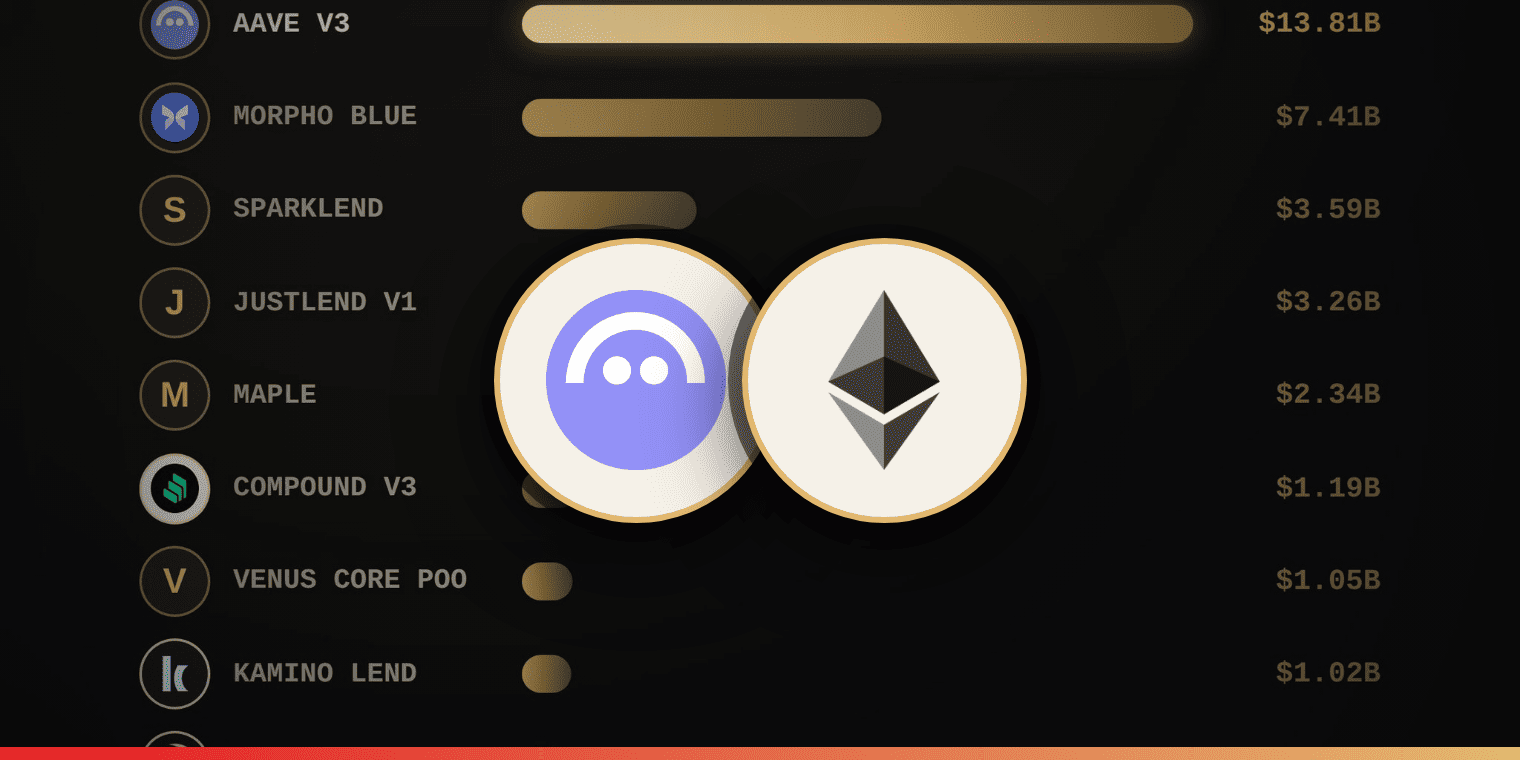
Aave V4 is now the credit engine behind ether.fi's Cash product on Optimism, allowing cardholders to borrow against five collateral assets including tokenized gold, stocks, and bitcoin.
The integration marks the first live deployment of a dedicated Aave V4 whitelabel instance managed by ether.fi on the Optimism blockchain. Cardholders can now borrow against PAXG, a tokenized gold product from Paxos; SPYx, a tokenized stock index from xStocks; WBTC; ETH; and ETHFI, ether.fi's own token. The partnership went to Aave governance votes in late July and early August before going live.
ether.fi operates a neobank product built on the EigenLayer restaking protocol. The Cash feature bundles deposit yields with credit functionality, letting users earn on staked ether while accessing loans secured by their collateral. Prior to this integration, ether.fi had partnered with other lending protocols; the move to a dedicated V4 instance gives the company direct control over the credit backend's configuration and risk parameters without relying on shared protocol governance.
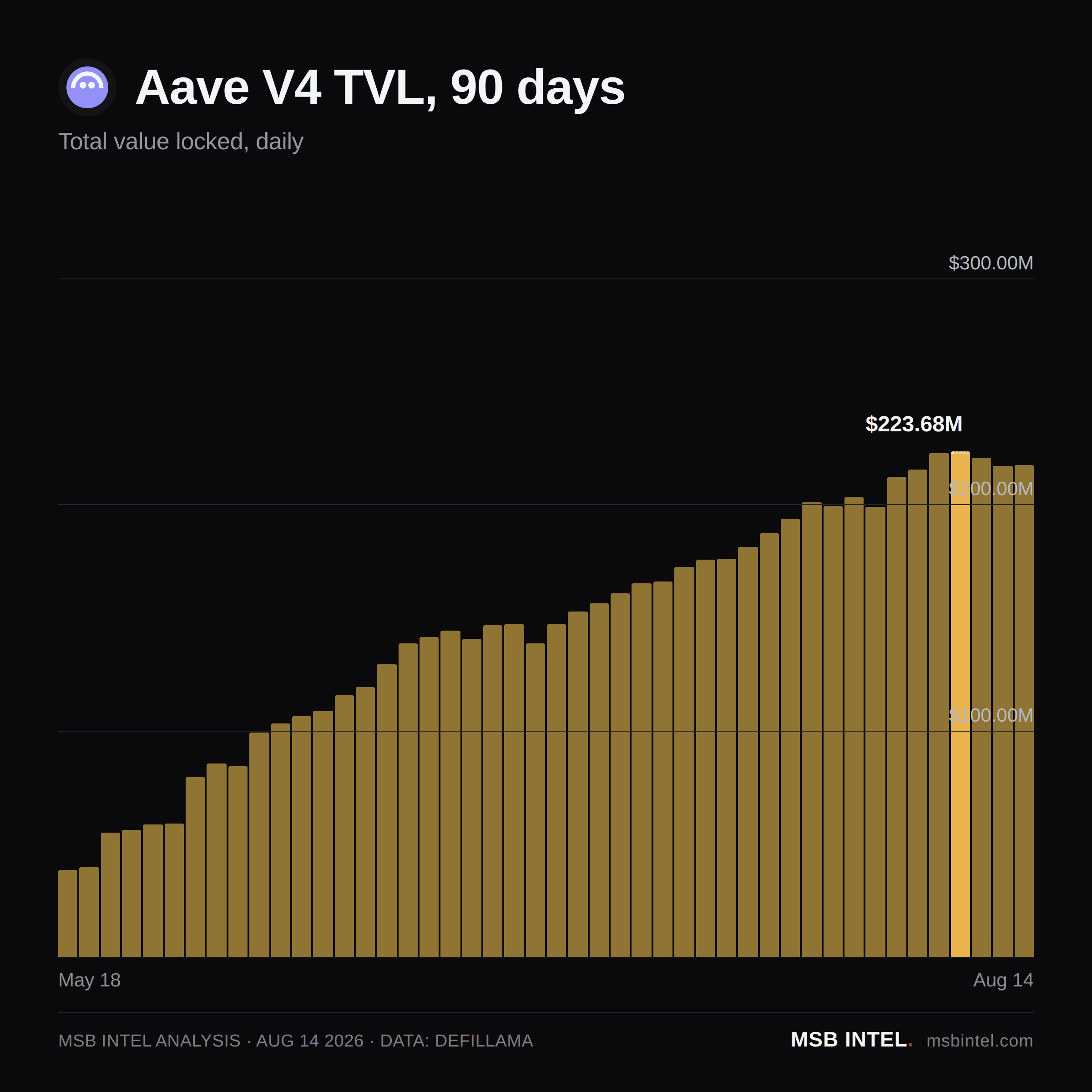
Aave V4 is a modular version of the Aave lending protocol designed for whitelabel deployments. Unlike the main Aave instance on Ethereum and other chains, V4 instances can be customized for specific use cases and operated independently. ether.fi's instance is managed entirely by the company, according to the governance proposal, rather than by Aave community governance. This structure has become a revenue stream for Aave, which earns from whitelabel licensing fees.
ther.fi said more collateral assets will be added as the integration expands, though no timeline or asset list was specified in the announcement. The deployment on Optimism keeps transaction costs low and aligns with ether.fi's existing infrastructure on the layer-two blockchain.
Aave has deployed multiple V4 instances for different partners in 2024 and 2025, though the scale and adoption of these instances relative to the main protocol remain unclear. The ether.fi instance is live and operational; the roadmap for additional collateral will show whether the partnership expands material utility beyond the five assets now available.