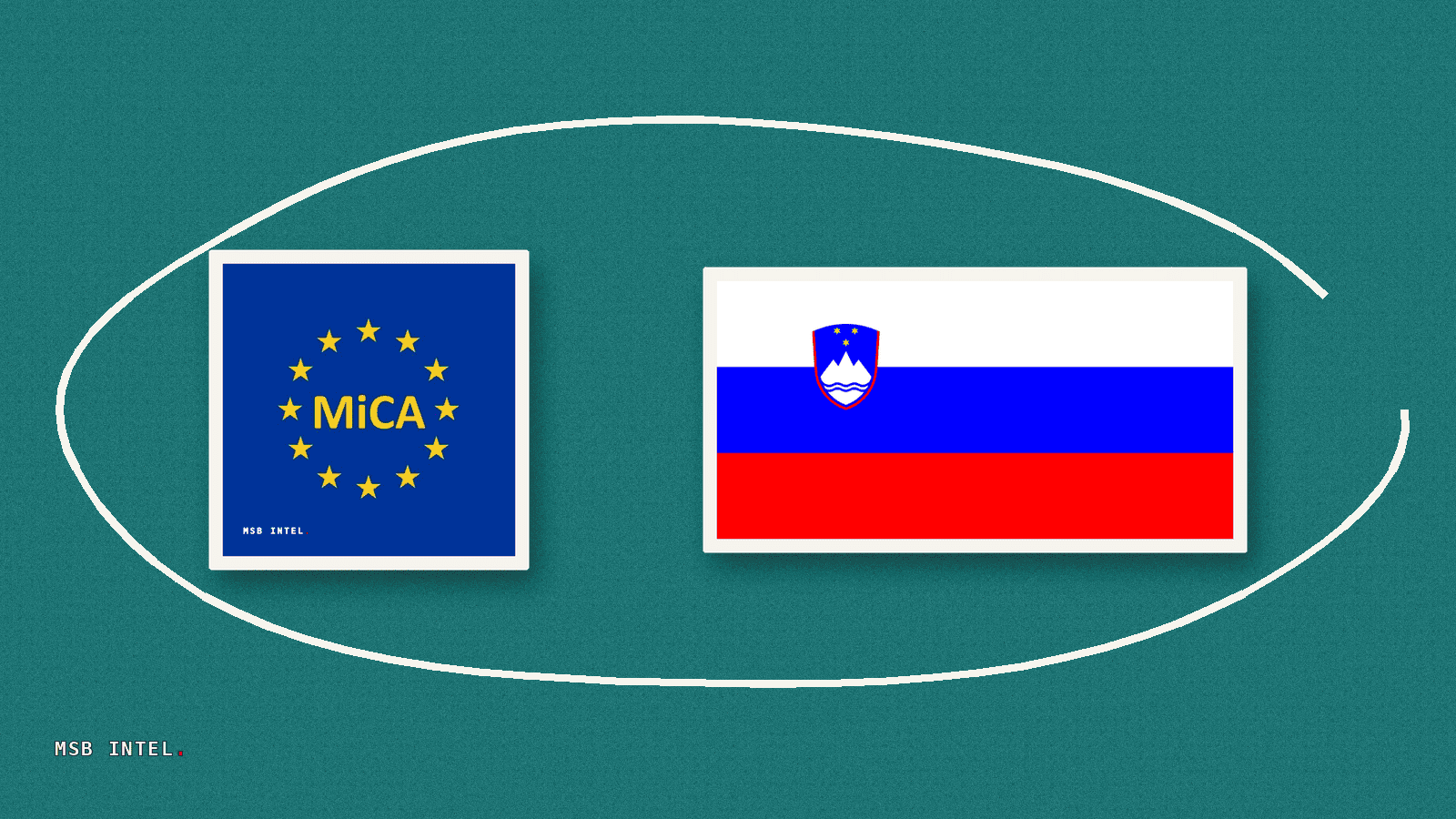
Slovenia joined the European Union's MiCA stablecoin register through Dinaro, an electronic money institution authorized to issue electronic money tokens. The update, posted August 12, brings the register to 43 authorized token issuers and 325 authorized crypto asset service providers across the bloc.
Dinaro's approval marks the first time Slovenia has had a licensed EMT issuer under the Markets in Crypto-Assets Regulation, which took effect in December 2023. The register, maintained by the European Securities and Markets Authority, tracks all entities authorized to issue stablecoins and provide custody or trading services in EU member states. EMT issuers must hold capital reserves backing tokens at a 1:1 ratio, maintain segregated customer funds, and submit to quarterly audits.
The EU has granted EMT licenses to 43 firms since MiCA's enforcement date. Most issuers cluster in Malta, France, and the Czech Republic, where financial regulators processed applications earliest. Slovenia had not approved a token issuer through MiCA's first year until Dinaro.
The same register update added two new crypto asset service providers, entities licensed to custody digital assets or operate trading platforms. CASPs face less stringent capital rules than EMT issuers but must comply with anti-money-laundering controls and consumer protection standards. The 325-CASP count has grown steadily since MiCA took force, with major exchanges and custodians filing applications across member states.
Dinaro's approval occurs as EU regulators continue processing stablecoin applications in waves. The bloc has not yet approved any algorithmic stablecoins, which MiCA allows only under strict conditions: they must be fully reserved, redeemable, and backed by a euro-denominated collateral pool. No issuer has met these terms.
The register shows uneven adoption across the EU: some states have approved five or more issuers, while others including Slovakia and Luxembourg have approved none. Dinaro's status as Slovenia's sole EMT issuer means the country now participates in the bloc's stablecoin framework after eight months of MiCA's operation, though it remains among the least-represented member states on the register.
Dinaro now operates under ESMA oversight and must report monthly to its home regulator. Dinaro has not yet announced a stablecoin product or launch timeline.