Nvidia announced a $150 billion share repurchase authorization, the largest in the company's history, according to an announcement released on September 28. The buyback will be executed through the end of fiscal 2028, giving the chipmaker a roughly two-year window to return capital to shareholders.
The program supersedes all prior repurchase authorizations. Nvidia has deployed buybacks consistently as a capital allocation tool alongside dividends. The authorization amount dwarfs prior programs: the company's previous buyback authorization in 2023 was $40 billion, meaning this new program is nearly four times as large.
Nvidia did not specify a target completion date within the fiscal 2028 window, leaving execution timing to management discretion. Share buybacks reduce the outstanding share count, which mechanically raises earnings per share even if total net income remains flat. Nvidia's shares have gained roughly 140 percent since the start of 2024, though the pace of gains has moderated in recent months as investors weigh whether the company can sustain the growth rates that drove the initial surge.
The buyback announcement comes as Nvidia prepares to deploy additional capital returned by the sale of its ARM acquisition stake to Qualcomm. The company generated $60.9 billion in operating cash flow in fiscal 2026, according to its most recent earnings report. That cash generation capacity, combined with balance sheet strength, allows Nvidia to fund both the buyback and ongoing investments in manufacturing partnerships and data center infrastructure without taking on debt.
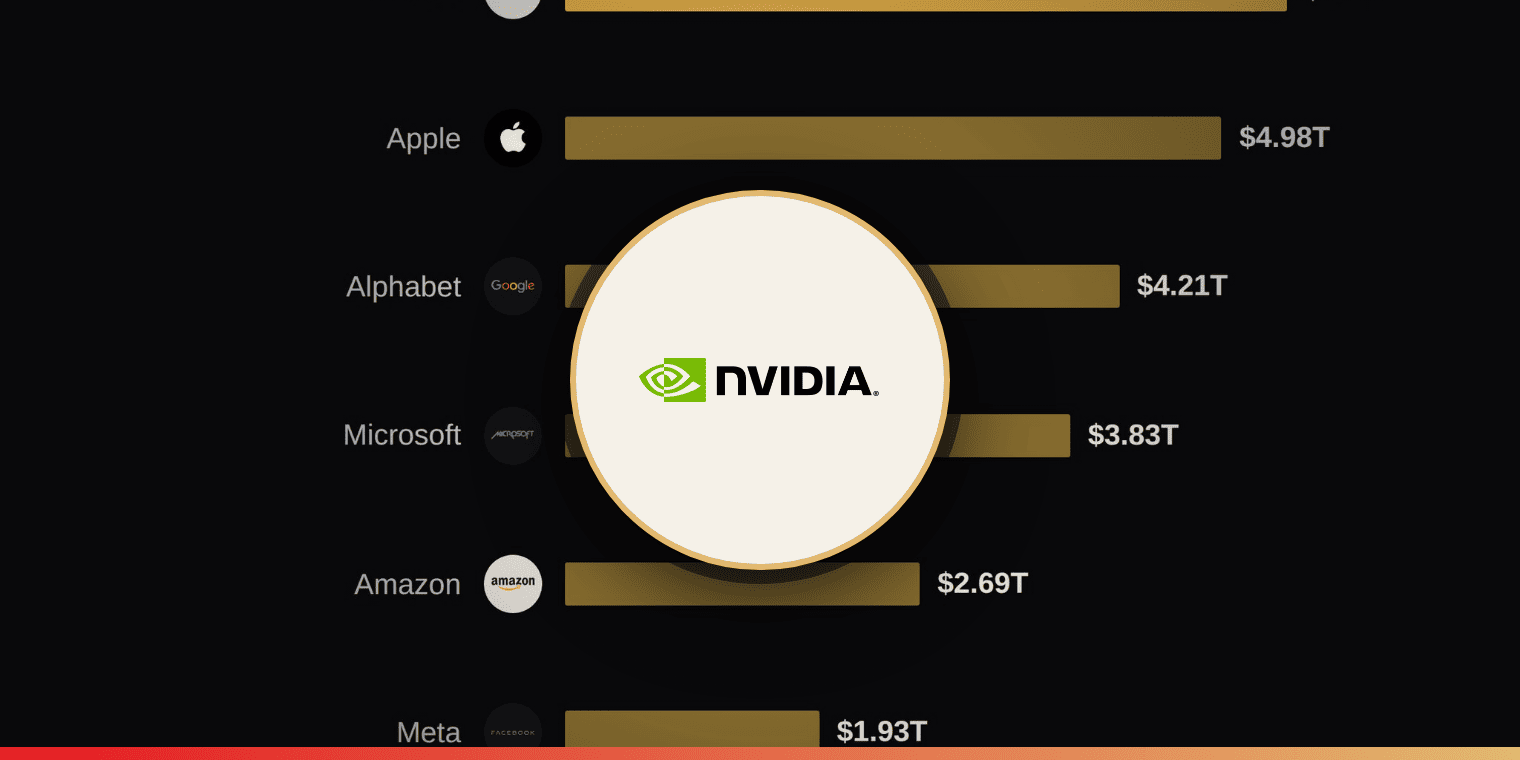
Share repurchases have become standard practice among mega-cap semiconductor and AI companies facing pressure to deploy excess cash. Apple, Microsoft and Broadcom have all authorized buyback programs in the $100 billion range in recent years. Nvidia's $150 billion authorization now ranks among the largest single repurchase programs announced by any public company.
The authorization does not commit Nvidia to repurchase any specific number of shares or dollar amount in any given quarter. The company can suspend or terminate the program at any time, giving management flexibility to shift capital if acquisition opportunities or market conditions warrant a change in strategy. The announcement carries no impact on Nvidia's dividend policy, which the board did not modify.
Nvidia has returned $132 billion to shareholders through dividends and buybacks over the past three fiscal years, according to the company's investor relations materials. If the chipmaker executes this $150 billion buyback on top of continued dividend payments, total shareholder returns over the next two years would represent a material portion of the company's projected free cash flow. The buyback authorization places Nvidia among the most aggressive deployers of capital in the semiconductor industry by both absolute dollars and as a multiple of annual earnings.