Onchain analyst Wazz has tied $18.4 million in memecoin losses across Robinhood Chain to a single coordinated rug-pull operation spanning 53 token launches between July 10 and September 21, according to a post on X. The creators of nine Pons V2 memecoin launches exempted specific wallets from the protocol's anti-sniping tax mechanism, then used those wallets to accumulate the majority of each token's supply before withdrawing liquidity.
Pons V2 is a token factory that applies a transaction tax to early buyers to prevent bots from capturing supply at launch. The exemption mechanism allows creators to designate wallets that do not pay this tax. Wazz's analysis found that the same set of wallets received exemptions across multiple launches, then immediately purchased most available tokens at launch prices before the liquidity pools were drained. The pattern repeated across nine confirmed launches on the Robinhood Chain.
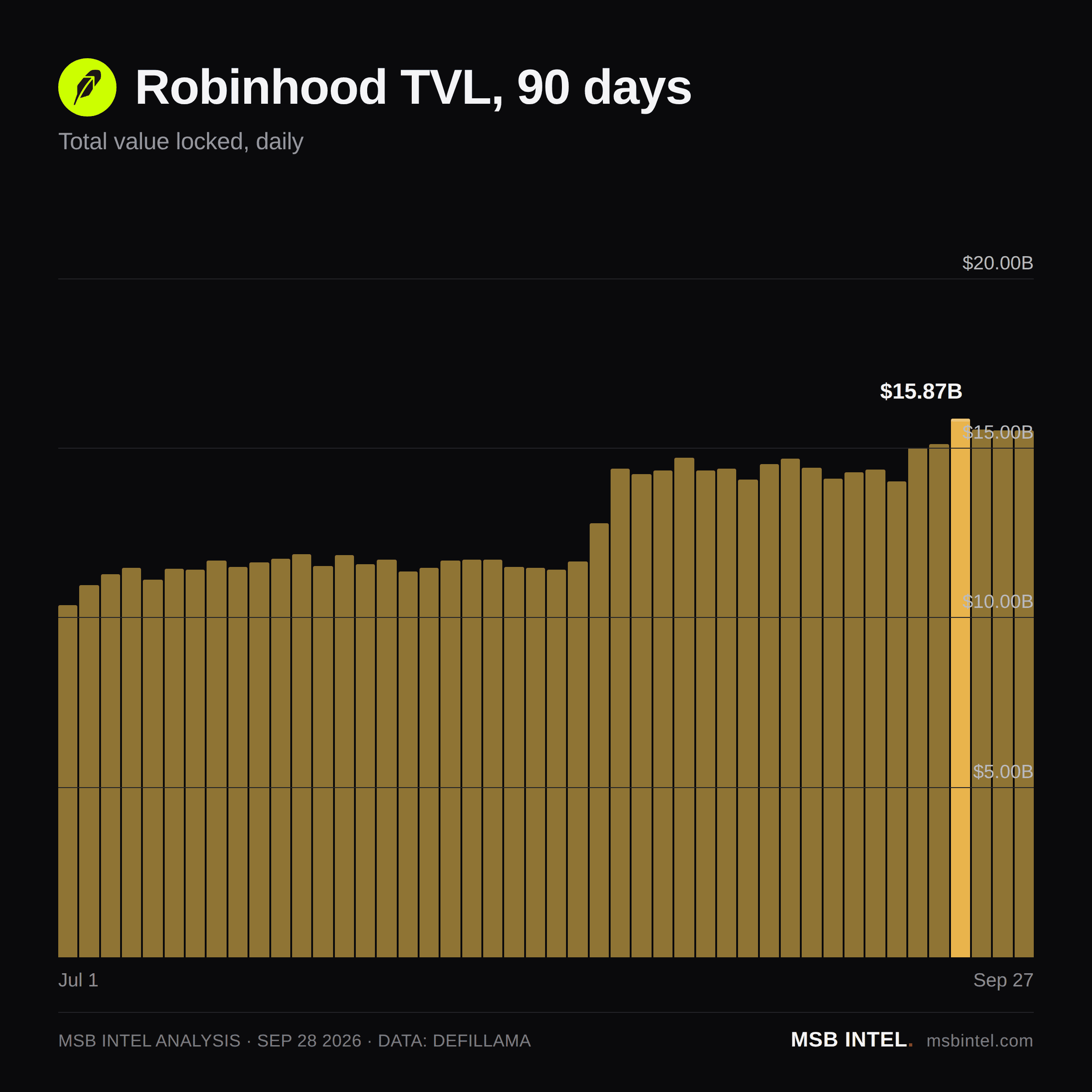
Robinhood Chain, launched by investment platform Robinhood in partnership with Polygon, has become a destination for low-cost memecoin trading. The chain processes transactions at minimal cost, making it attractive both to retail traders and to operators running token schemes. The $18.4 million figure represents verified losses across all 53 suspected launches during the three-month window, though Wazz's analysis explicitly linked only nine to Pons V2.
The exemption tactic uses the anti-sniping mechanism to the operator's advantage. By carving out wallets before launch, creators can sidestep the very safeguard meant to prevent insider accumulation. Once the creator wallets hold the bulk of supply, pulling liquidity becomes straightforward. Buyers who purchased tokens after the creator wallets' early buys face immediate losses.
Memecoin rug pulls on low-cost chains have accelerated as transaction fees have fallen. Robinhood Chain's integration with Robinhood's retail user base has made it particularly attractive to token creators seeking volume. The platform does not vet launches or intervene in token mechanics; creators have full control over contract design and exemption lists.
Wazz identified a coordinated pattern across 53 launches and nine explicit Pons V2 instances. The operator or group ran multiple variants of the same extraction across independent launches. The consistency in wallet exemption patterns and timing across nine launches mirrors the structure of a deliberate operation rather than isolated creator error.
The discovery has no direct impact on Robinhood Chain's technical operation or Pons V2's contract code. Neither platform has announced changes to exemption mechanisms or creator controls. The responsibility for detecting and avoiding these schemes currently rests with token buyers, who must inspect contract code and wallet transactions before purchase. Robinhood did not immediately respond to requests for comment on whether the chain intends to flag suspicious launches or restrict access to exemption features.