
New York City Council Speaker Julie Menin announced an investigation into prediction market platforms Kalshi, Polymarket, Coinbase, and Gemini Titan on August 12, alleging aggressive marketing tactics aimed at consumers. The platforms have 14 days to respond to a letter sent August 11.
Menin said in a statement that "prediction markets aggressively entice consumers to bet and wager on sports, politics, culture, weather, and pretty much anything." The Council plans to hold a public hearing and is considering legislation targeting the platforms' consumer recruitment methods. The investigation is separate from ongoing state-level litigation against some of the same operators.
Prediction markets have grown rapidly over the past two years, with Polymarket alone processing billions of dollars in volume on election outcomes, sports events, and economic data. The platforms operate in a legal gray area: the Commodity Futures Trading Commission has taken enforcement actions against some operators for offering derivatives without proper registration, but no federal court has issued a final ruling on whether prediction markets constitute illegal gambling or commodity trading under U.S. law. Kalshi has secured a CFTC exemption for binary options on economic indicators and binary futures on election outcomes, becoming the first regulated prediction market to operate in the United States.

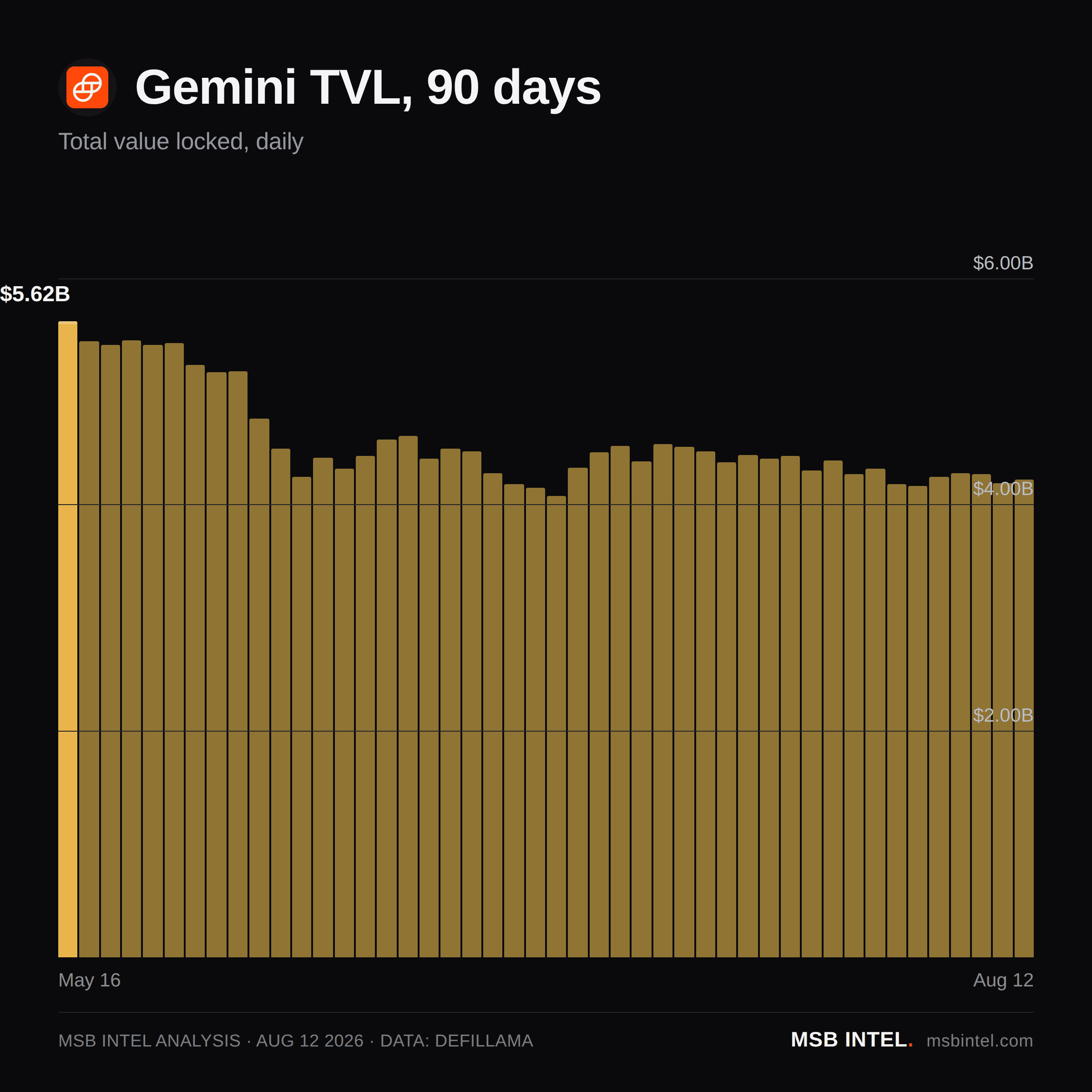
Coinbase launched its own prediction market product in early 2024 and has aggressively promoted it to retail users. Gemini Titan, the prediction market offering from crypto exchange Gemini, competes with Polymarket on Ethereum-based event contracts. All four platforms have faced criticism from consumer advocates and state attorneys general for marketing directly to retail users without disclaimers about the speculative nature of such products.
New York State's Department of Financial Services has already initiated separate enforcement action against Polymarket and Kalshi, arguing that prediction markets function as unlicensed gambling operations under state law. This investigation by the City Council targets marketing practices rather than the platforms' legal status, widening scrutiny to include how these operators acquire and retain users.
The 14-day response deadline places these platforms in a position where they must either disclose their user acquisition strategies and marketing spend or risk being viewed as non-cooperative by the Council ahead of potential legislation. New York is home to roughly 8.3 million people and has historically been a testing ground for aggressive cryptocurrency and fintech regulation at the local level.
If the Council advances legislation, it could serve as a template for other major cities and would be the first local restriction on prediction market marketing in the United States. The outcome will likely depend on how aggressively platforms defend their current advertising strategies and whether they propose voluntary restrictions on targeting or offer disclosures that satisfy the Council's concerns.