Credit default swap spreads for major hyperscalers hit record highs Tuesday as South Korea's stock market crashed through circuit breakers on back-to-back days, wiping out nearly $270 billion in market value from the country's semiconductor giants.
Nvidia's five-year CDS spread reached 82 basis points and Oracle's seven-year spread hit a fresh high of 75 basis points, according to pricing data reviewed by the desk. Memory chip oversupply has historically triggered cycles of margin compression across the semiconductor supply chain.
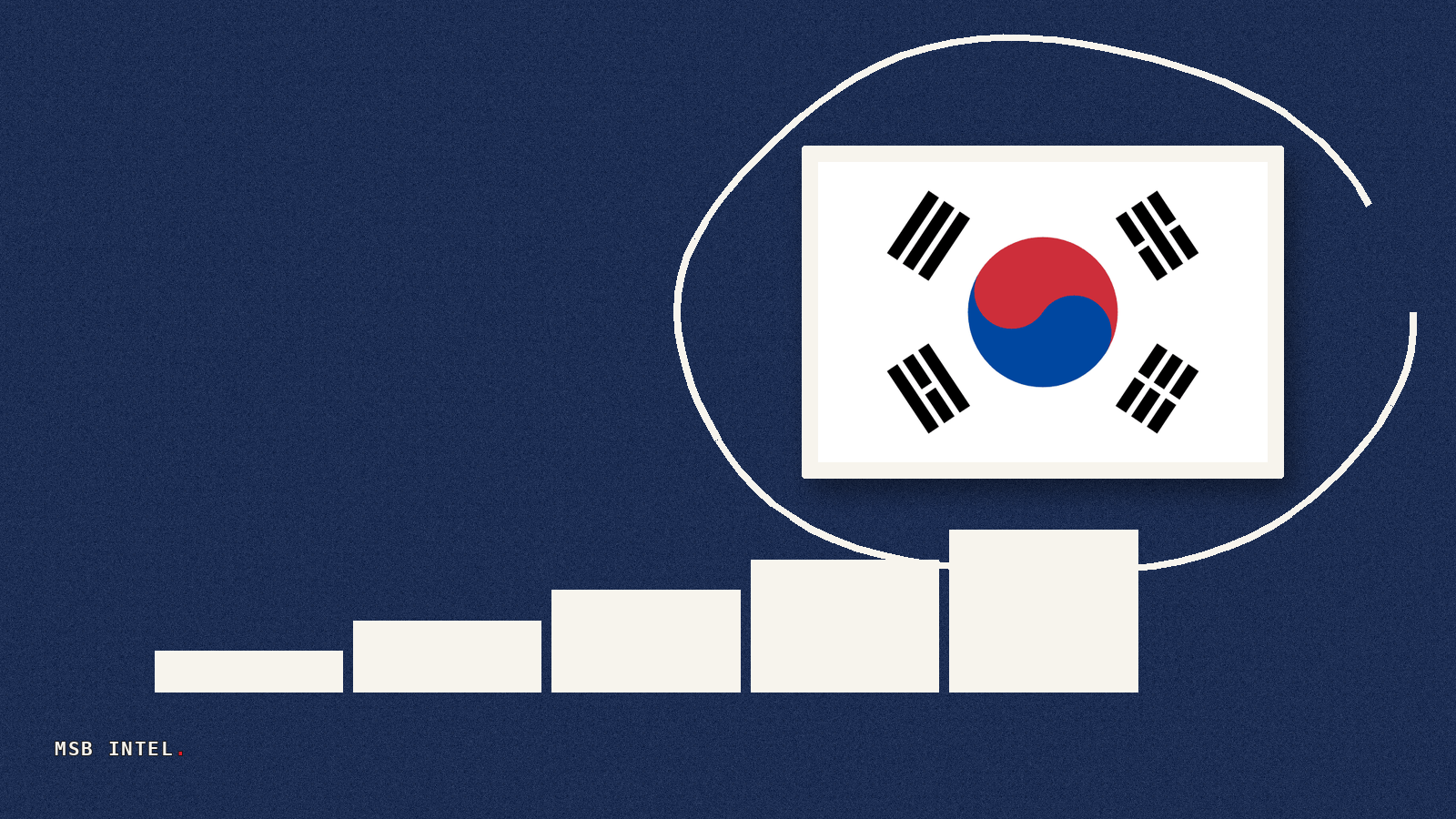
South Korea's KOSPI index fell 10.8% on July 28, triggering a circuit breaker halt. The index fell again on July 29, dropping 6% and triggering a second halt. The two-day rout erased roughly $270 billion in combined market capitalization from Samsung Electronics and SK Hynix, the country's two largest memory chip manufacturers and exporters of high-bandwidth memory used in AI accelerators.
Hyperscaler balance sheets depend on sustained demand for HBM and other advanced semiconductors. Nvidia sells processors to data center operators who are building generative AI infrastructure. Oracle competes with Amazon and Microsoft in cloud computing. If capex cycles slow, both face margin pressure.
The Korean semiconductor selloff began after reports of slowdown in AI memory adoption at major cloud providers. Institutional investors in the region hold large allocations to memory stocks and have reduced exposure as forward guidance contracted. Circuit breaker rules in Seoul automatically halt trading after declines of 7%, 13%, and 20%, halting further price discovery during acute stress periods.
Credit spreads have widened across the broader technology sector since June, but hyperscaler CDS had remained relatively stable until this week. The surge to record levels on Tuesday marks the first time spreads for these firms have broken through historical peaks set during the 2020 pandemic sell-off and the 2022 Fed rate-hike cycle.
Memory chip cycles typically last 18 to 24 months from peak to trough. If Korean memory manufacturers cannot stabilize export prices or diversify demand streams away from AI infrastructure, sustained spread widening across hyperscaler debt could pressure refinancing costs for data center capex. The document to watch is SK Hynix and Samsung's next quarterly earnings calls, where management will guide on memory demand and production adjustments through year-end.