Gemini, the cryptocurrency exchange owned by the Winklevoss twins, reported a $107.7 million net loss in the second quarter despite growing revenue 37 percent year-over-year to $45.5 million, according to an SEC filing released August 13.
Revenue grew from $33.2 million in Q2 2025, but the company's expenses, including compensation, technology infrastructure, and regulatory compliance, exceeded that growth. The exchange has not reached profitability despite operating since 2015.
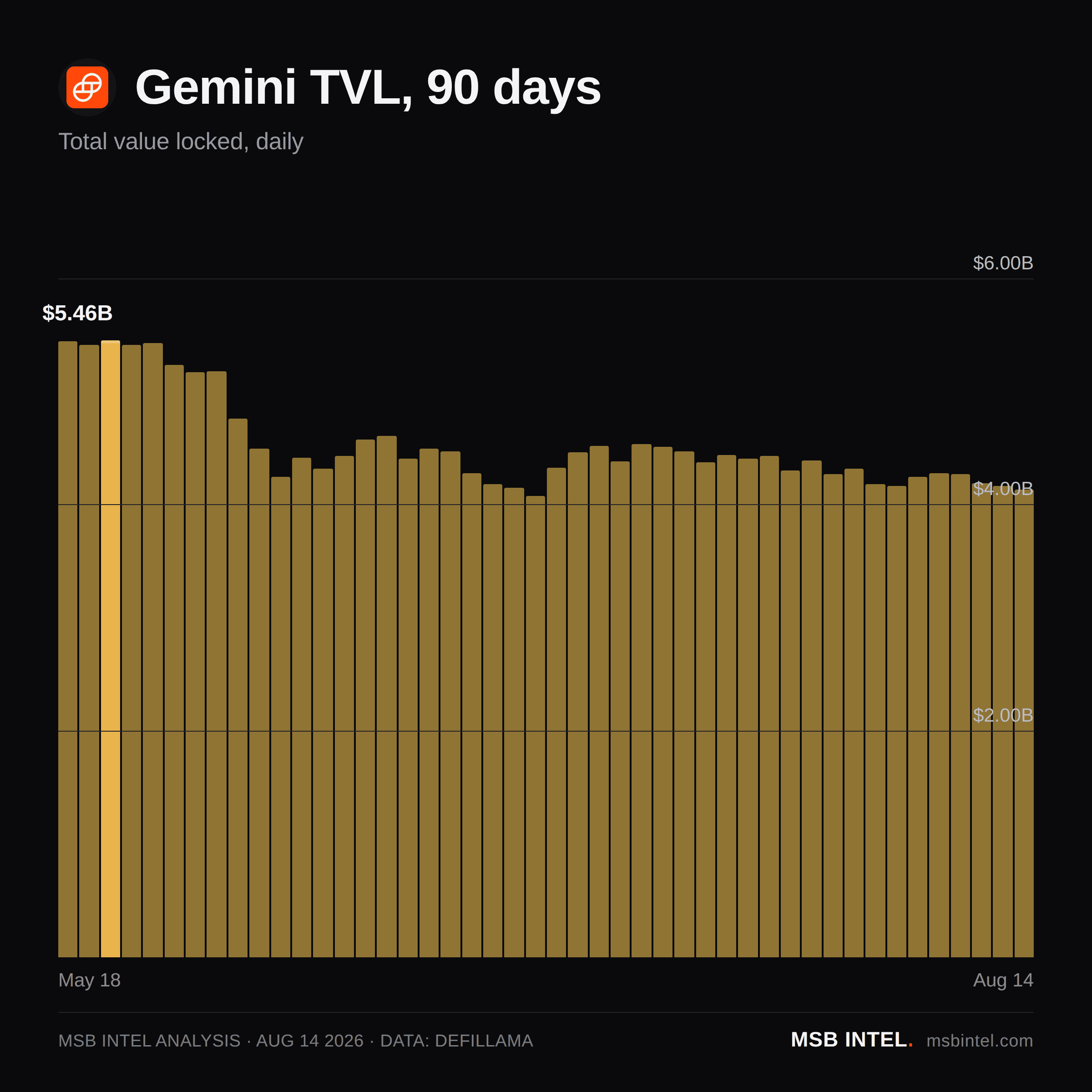

Gemini's Q2 loss is smaller than its two prior quarterly losses. The exchange posted a $133.2 million net loss in Q2 2025 and a $159.5 million loss in Q3 2025. Spot trading volumes declined 66 percent from Q1 2026 to Q2 2026 according to the filing.
The exchange operates in a competitive market where trading fees have compressed as rivals including Coinbase, Kraken and FTX (before its collapse in 2022) drove retail and institutional users toward lower-cost venues. Gemini generates revenue from trading fees, staking services, and custody offerings, but each revenue stream faces price pressure from larger, well-capitalized competitors. The company has cut staff multiple times since 2021.
Gemini is not publicly traded and does not disclose customer account counts or asset volumes regularly. The filing provides limited forward guidance. The company said it is "pursuing strategic initiatives" to improve profitability but did not specify timelines or targets.
The $107.7 million quarterly loss on $45.5 million in revenue represents a net loss margin of 237 percent, meaning the exchange spent $2.37 for every dollar of revenue generated. Gemini's ability to sustain operations at this burn rate depends on capital reserves; the SEC filing does not disclose available cash or funding runway. The number to watch is whether Gemini discloses new funding or a path to operating profitability in coming quarterly filings.