
Flare announced that FXRP, its wrapped version of XRP, has been approved as collateral in Sentora's RLUSD lending vault on Morpho Blue, allowing XRP holders to borrow the stablecoin on Ethereum without selling their holdings.
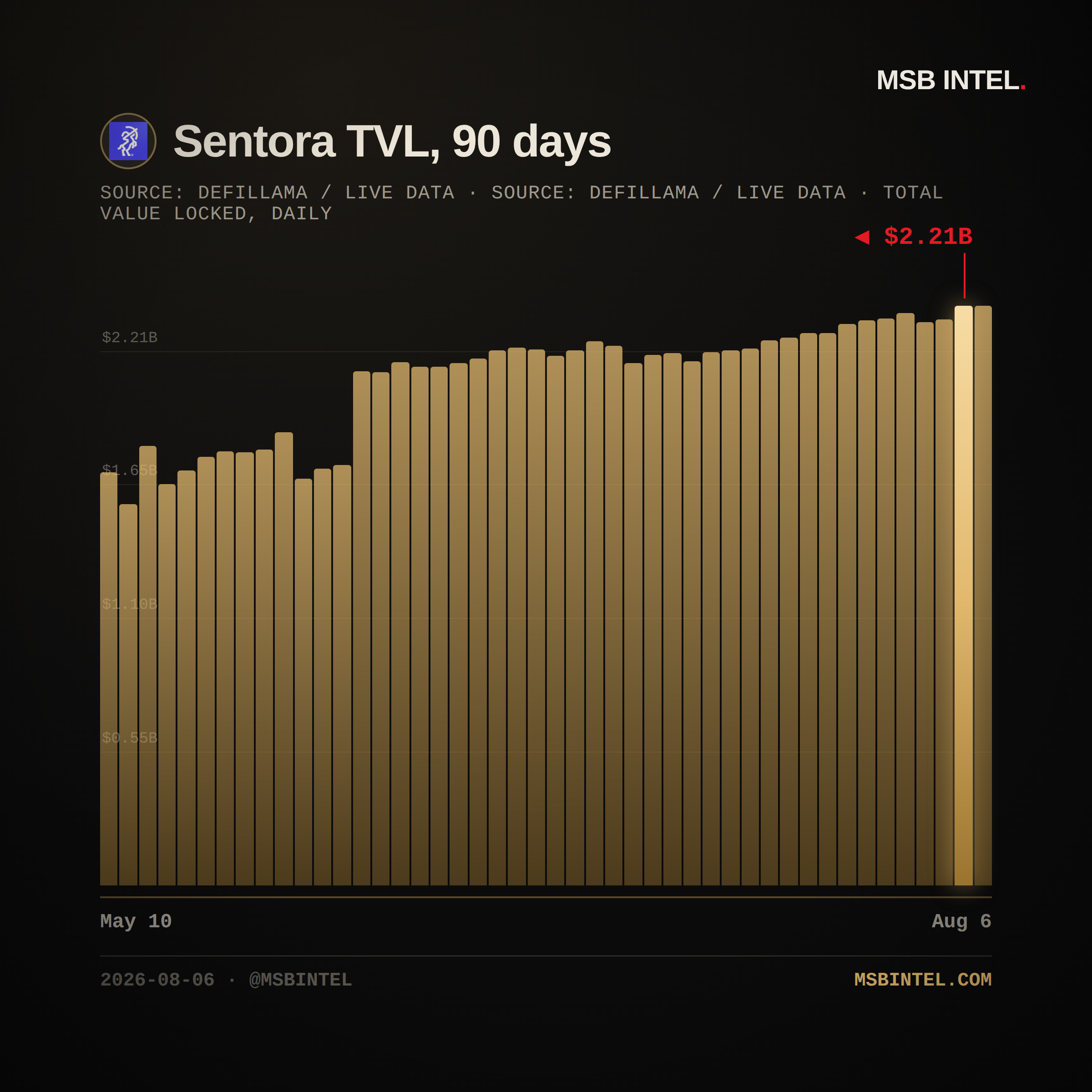
The vault, which holds $280 million in total value locked according to Sentora, operates on Morpho Blue, a lending protocol that allows permissioned collateral pools. The approval expands the use cases for FXRP beyond its native Flare network, creating a bridge for XRP liquidity into Ethereum-based borrowing markets.
FXRP is an ERC-20 representation of XRP issued by Flare, the blockchain designed to connect XRP to decentralized finance. RLUSD is Ripple's USD stablecoin, also ERC-20 native. The Sentora vault on Morpho Blue had previously accepted other collateral types, with the FXRP approval representing an expansion of the vault's underlying asset base.
Morpho Blue operates as a modular lending market where any address can create isolated lending pools with custom risk parameters. Sentora manages the FXRP/RLUSD pool, setting the collateral factors and liquidation thresholds that govern how much borrowers can take against their wrapped XRP. The mechanism lets XRP holders generate liquidity without leaving their positions, a structure common in DeFi lending across multiple blockchains.
Flare has positioned FXRP as a tool to extend XRP's liquidity across EVM-compatible chains. The approval in a major lending vault on Morpho Blue, which itself has grown to over $1 billion in total deposits across pools, places wrapped XRP alongside other major collateral types in institutional and retail borrowing markets on Ethereum.
Activity in the vault has scaled since the approval. The exact trading volume and total supply of FXRP borrowed in the vault are not publicly disclosed in real time, though the vault's total TVL figure is published by Sentora.
Wrapped and bridged assets have become standard collateral across DeFi lending markets. Morpho Blue's modular design has made it a common destination for such collateral launches, as projects can customize risk parameters without protocol governance.