Canton has connected to Ethereum, Solana and Robinhood Chain through a non-custodial cross-chain swap engine launched by Interstice Digital, with FalconX providing liquidity for the system.
The engine allows users to swap assets across the four networks without Interstice or any intermediary taking custody of funds. Canton, a tokenized asset network, gains direct routes to public blockchain liquidity pools through the arrangement. FalconX, a digital asset market maker, backs the system as its liquidity provider.
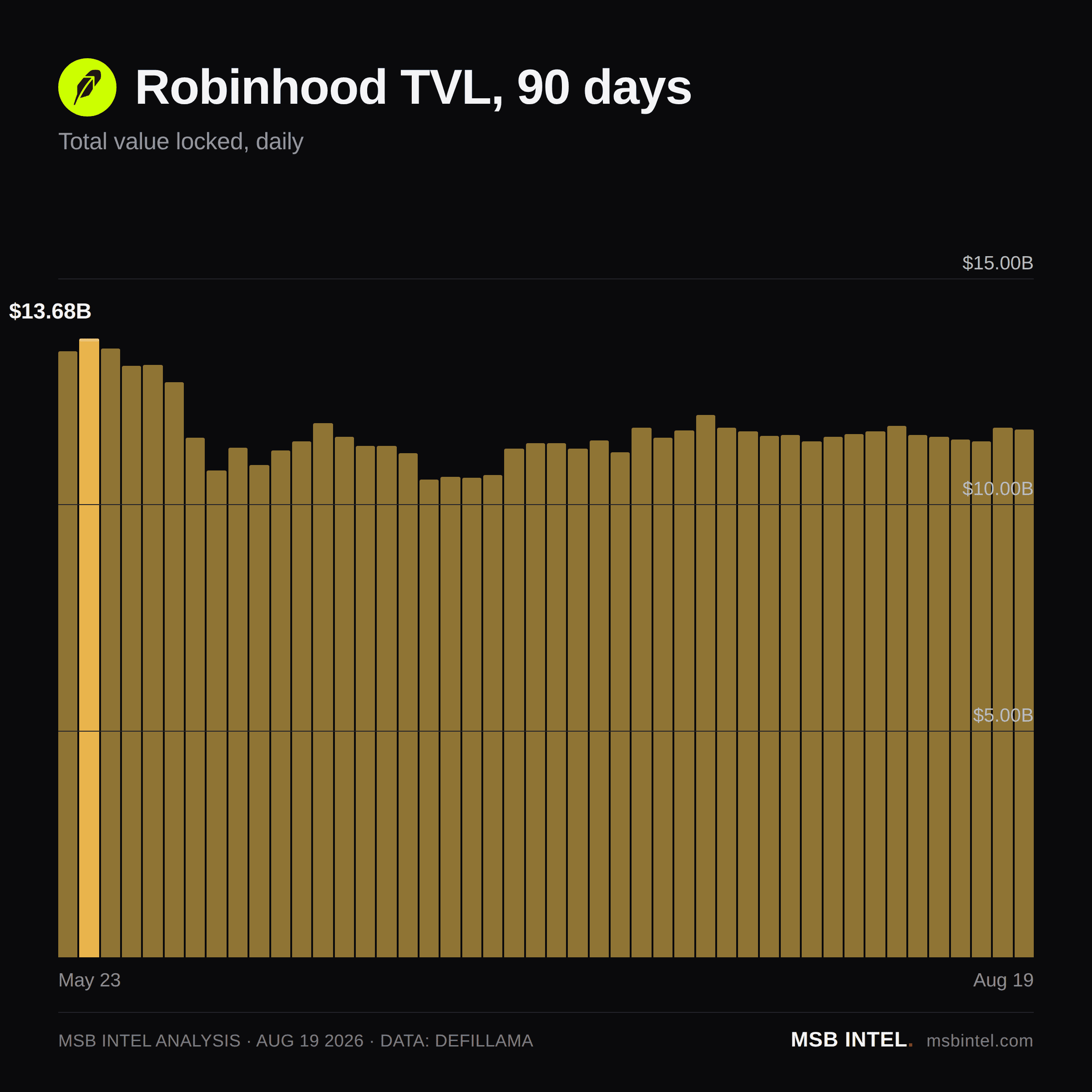
Canton operates as a settlement layer for tokenized securities and real-world assets. The network had already established its own native infrastructure but lacked efficient pathways to move assets to and from major public chains where secondary market liquidity concentrates. The Interstice engine solves that routing problem by creating non-custodial swap pairs between Canton's asset ecosystem and the larger Ethereum and Solana networks, as well as Robinhood's proprietary blockchain.
Interstice Digital designed the swap engine to avoid holding user assets at any point in the transaction. Users retain control of their private keys while the system executes atomic swaps across chain boundaries. This architecture differs from wrapped-token bridges, which require custodians to mint representations of assets on destination chains.
FalconX's role as liquidity provider means the firm commits capital to both sides of swap pairs, absorbing price risk to ensure users can execute trades without slippage. Market makers in cross-chain systems typically profit on the spread between bid and ask prices and earn fees on volume.
The connection expands Canton's addressable market beyond its core institutional user base. Robinhood Chain, launched in 2024 as a Solana-based layer focused on consumer trading, adds retail-facing liquidity sources. Ethereum and Solana themselves represent the two largest bases of decentralized finance activity, where Canton-tokenized assets can now settle directly.
Cross-chain infrastructure remains fragmented, with dozens of bridge protocols competing on speed, cost and security. Non-custodial swap engines represent a narrower category focused specifically on atomic asset exchange rather than general message passing. FalconX has been active in infrastructure plays for two years, having previously backed market-making on emerging token listings and settlement layers.
The arrangement between Interstice and FalconX positions both firms to capture volume as institutional tokenization accelerates through 2026.