Bybit Payments GmbH has secured an electronic money institution licence from Austria's Financial Market Authority, enabling the crypto exchange operator to offer regulated payment services across Europe. The announcement was issued August 4, 2026.
The EMI licence permits Bybit's subsidiary to issue electronic money and provide payment initiation services under the Payment Services Directive framework. An EMI designation requires compliance with Austrian banking regulation. The FMA issues such licences to non-bank entities meeting minimum capital and governance standards.
Bybit.eu, the operator's European arm, has faced licensing gaps in key markets. Competitors including Kraken, Coinbase and Bitstamp have each secured either banking licences or EMI status in European jurisdictions over the past 18 months. An EMI licence does not grant custody or trading permissions, those remain governed separately, but enables Bybit to move fiat on behalf of customers without holding a full banking charter.
Austria's regulatory regime has attracted crypto-native finance applicants since 2023, when the FMA began issuing EMI licences to digital asset firms. The Austrian designation allows licence-holders to passport services into EU member states under the Payment Services Directive, though each state retains discretion on crypto-asset handling. Bybit's announcement notes plans for future rollout in additional European markets but does not specify timelines or countries.
The licence arrives as EU regulators tighten stablecoin and payment service rules. The bloc's Markets in Crypto Regulation, due January 2025, will impose reserve and disclosure requirements on issuers of electronic money pegged to fiat. Bybit's FMA approval does not pre-empt those rules but grants the infrastructure to comply with them once they take effect.
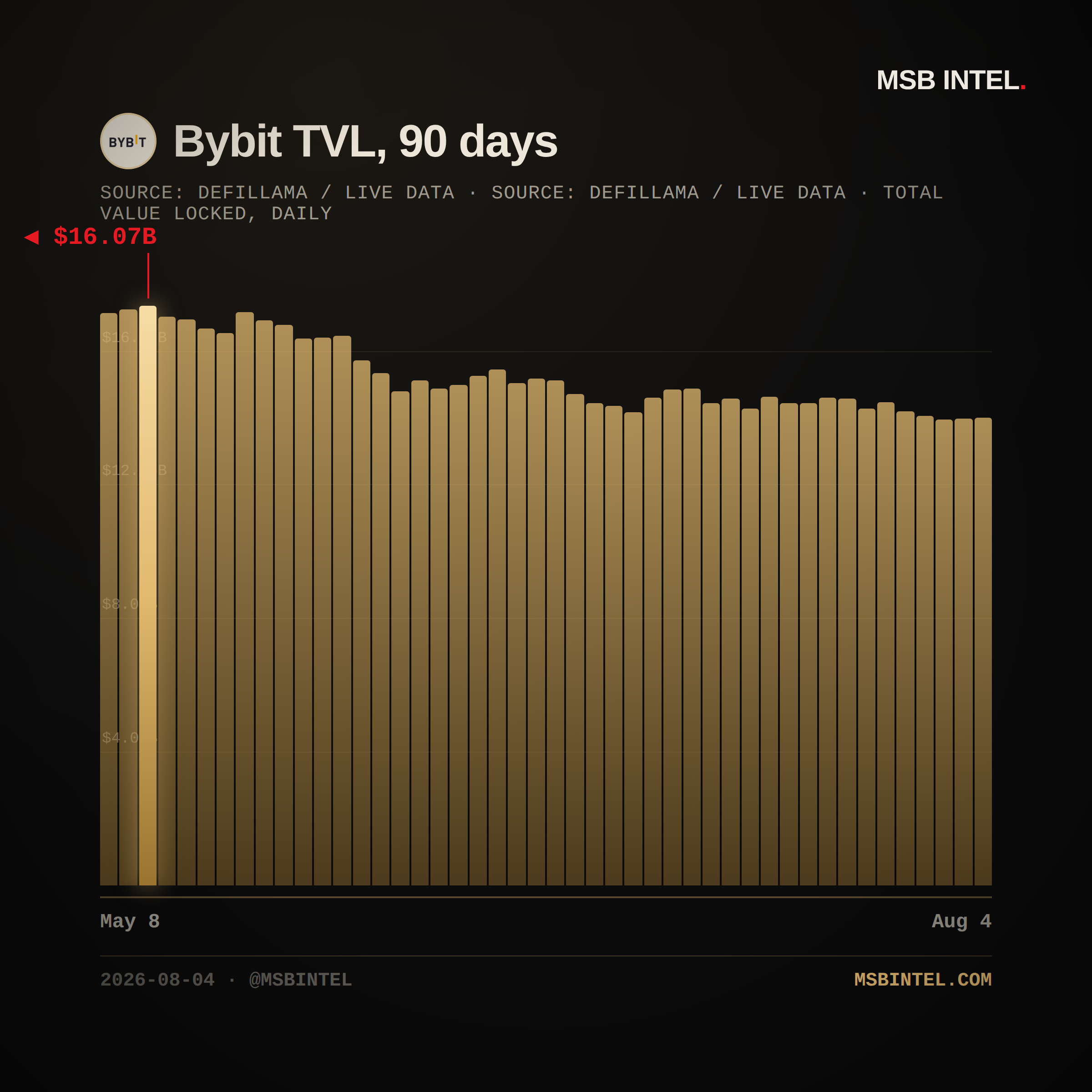
Bybit operates regional exchanges including Bybit.com, Bybit.eu and Bybit.hk, serving retail and institutional traders across crypto derivatives. The company does not disclose annual revenue or user counts. Bybit.eu's operating entity, Bybit Payments GmbH, now holds direct regulatory standing in Austria and may use that status to negotiate bilateral arrangements with other EU banking regulators.
The pathway to an EMI licence typically spans six to nine months. Bybit's receipt of the licence completed Austria's review, which included operational, compliance and anti-money laundering assessments. The licence now allows Bybit to lower its cost of entry into payment rails across Europe and compete with banks on remittance services where it previously relied on third-party processors.