
Uniswap has gone live with Permissioned Pools on its v4 protocol, enabling regulated assets to trade through automated market makers with compliance rules enforced directly onchain. The announcement names Superstate, Securitize, and Dowgo as launch partners.
Permissioned Pools operate through a hook standard that lets asset issuers maintain an allowlist of eligible traders. The pool verifies wallet approval before executing any swap or liquidity action, moving compliance logic from frontend gateways or offchain checks into the settlement layer itself. Issuers retain control of their allowlists while approved users access onchain markets without intermediary gatekeeping.
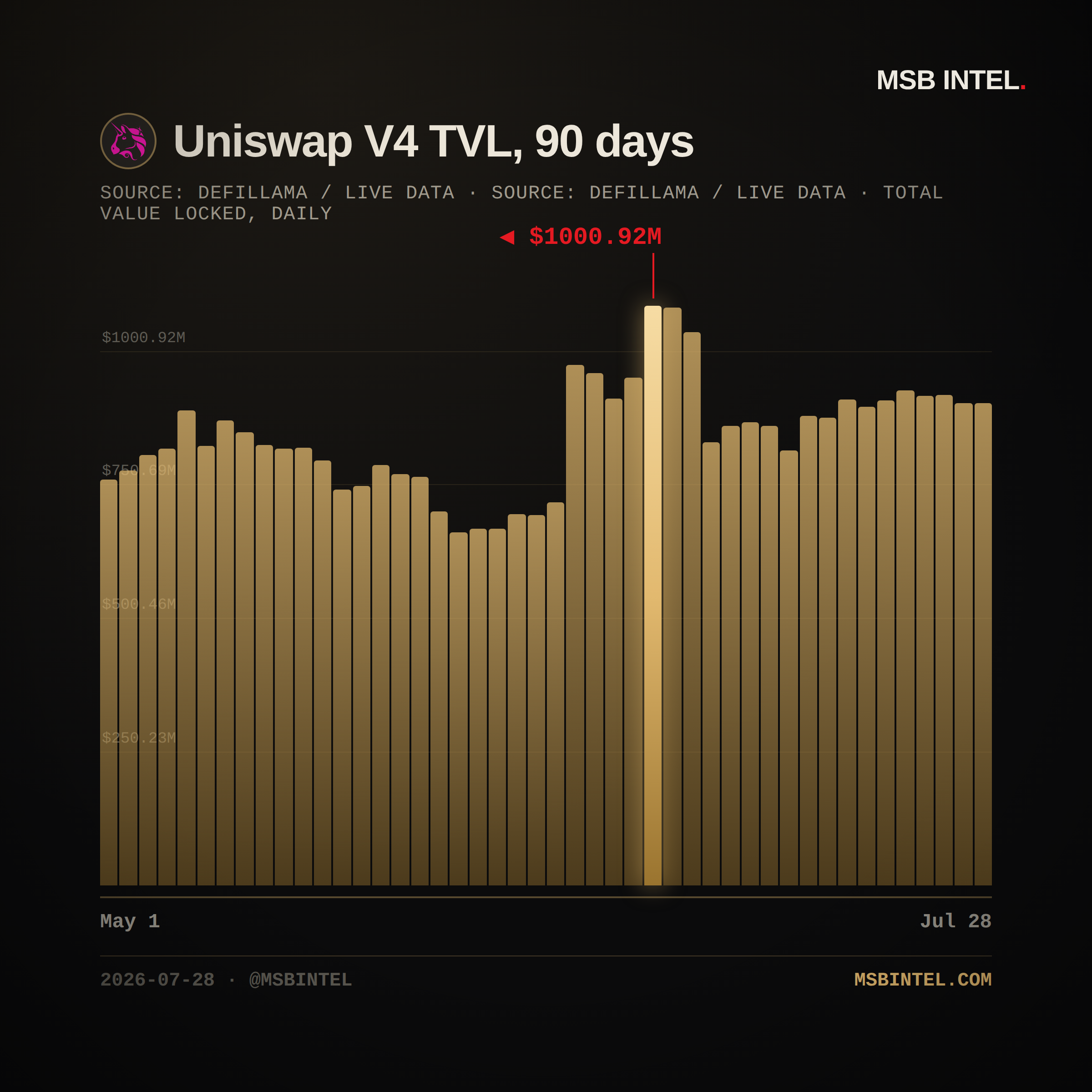
Uniswap's framing positions Permissioned Pools as the first open-source, institutional-grade standard for AMM trading of regulated assets, a category that includes tokenized funds, securities, and equities. The move follows years of incremental custody and settlement infrastructure built for traditional asset managers and broker-dealers testing onchain deployments.
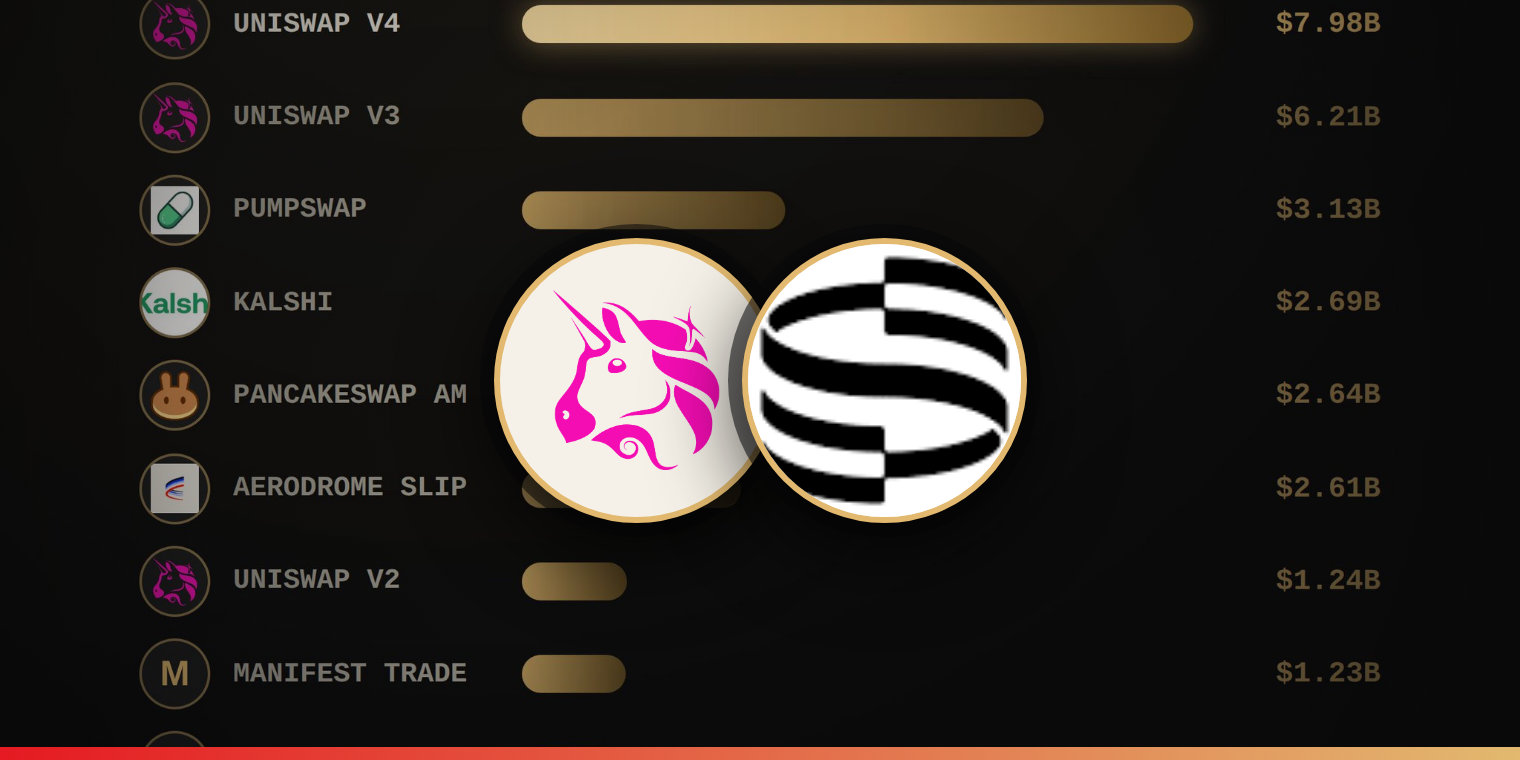
The three launch partners represent different segments of the regulated tokenization market. Superstate operates tokenized funds. Securitize provides cap table and transfer restriction infrastructure for security tokens. Dowgo offers compliance and permissioning tools for digital asset issuance. Each has named regulated assets or securities as the immediate use case.
Market projections underscore the addressable opportunity. Uniswap cites an estimate that the tokenized asset market will reach 11 trillion dollars by 2030. That figure implies an annual growth rate of roughly 55 percent from an estimated current base of 3 to 4 trillion dollars, though independent verification of the 2030 projection remains limited to industry forecasters and Uniswap's own platform analysis.
Permissioned Pools inherit Uniswap v4's broader hook architecture, which allows developers to inject custom logic into swap execution. Hooks have enabled integrations ranging from take-profit orders to dynamic fee structures since v4's mainnet launch in 2023. The permissioning hook adds a binary wallet-approval gate, a mechanical step that differs fundamentally from Uniswap v3's liquidity concentration but parallels the kind of conditional settlement logic that centralized exchanges and broker-dealers enforce at the account level.
Regulated asset issuers have historically routed secondary trading through private networks or closed marketplaces to maintain compliance. AMMs require broadcast, public liquidity pools, creating a conflict between the transparency of onchain settlement and the permissioning requirements of securities law. Permissioned Pools embed the permissioning rule onchain, eliminating the technical need for a separate gating mechanism.
Uniswap's move to embed compliance logic at the pool level rather than at the UI or settlement layer narrows the regulatory surface between the protocol and regulated asset issuers. Whether this structural change materializes as a meaningful shift in institutional adoption or remains a technical option for a small subset of tokenized securities will depend on regulatory feedback and the willingness of major asset managers to settle secondary-market trades through onchain AMMs rather than private block trading networks. The first full quarter of Permissioned Pools usage will show whether issuers are routing trading volume through the pools or treating them as compliance scaffolding without material liquidity.