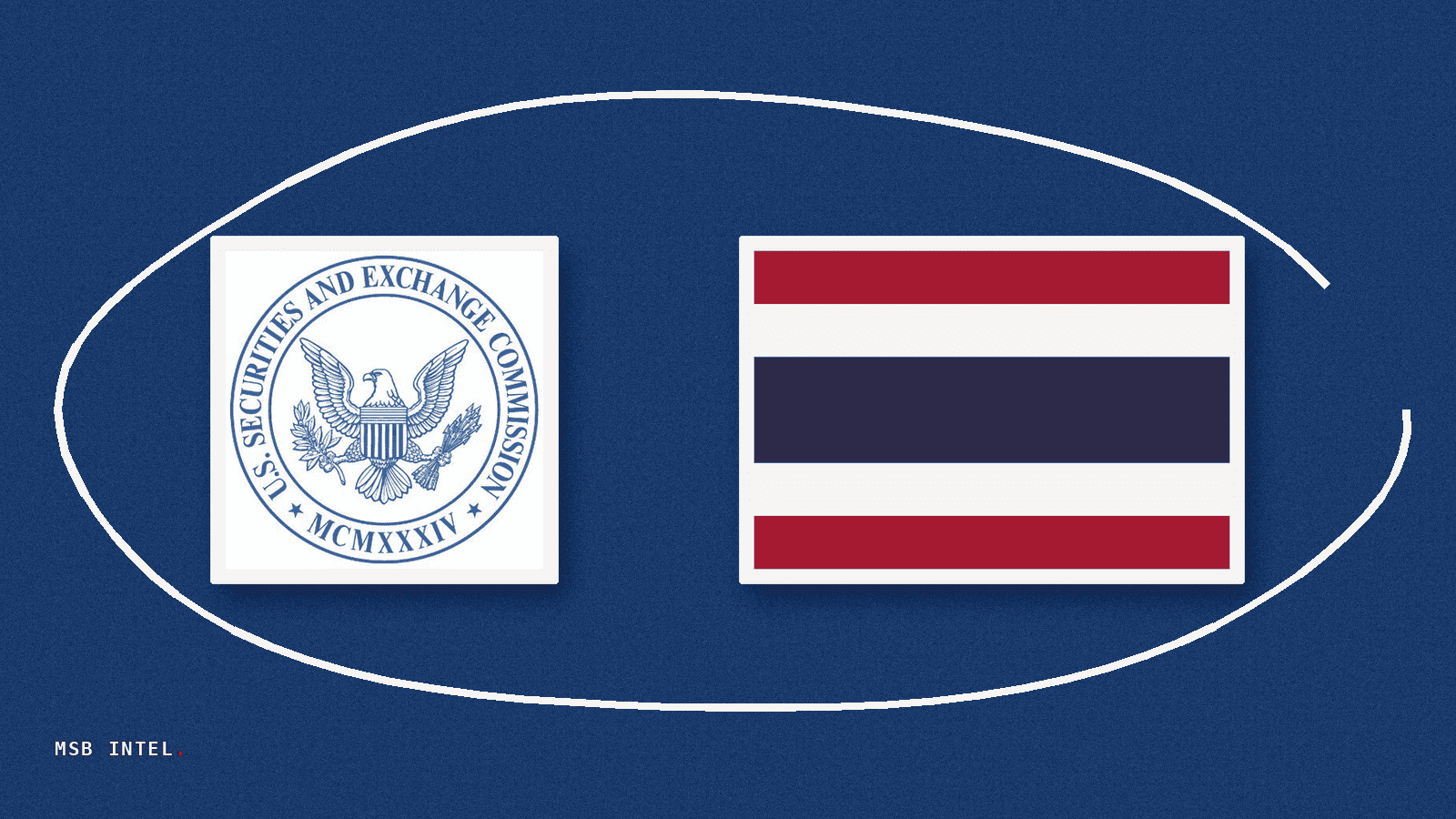
Thailand's Securities and Exchange Commission opened a public consultation on draft rules for spot Bitcoin and Ether exchange-traded funds, with feedback due by September 20. The regulator posted the draft regulations and is inviting written submissions from market participants and the public.
The consultation marks the second phase of the SEC's ETF rulemaking process. The regulator conducted an initial principles-based consultation in April, gathering input on high-level framework requirements. The current draft rules move into specific operational and compliance details, setting a 20-day window for stakeholders to comment before the SEC considers revisions and potential final approval.
Thailand has positioned ETF approval as a step toward broader cryptocurrency adoption within a regulated framework. The regulator has previously announced plans to permit both spot Bitcoin and Ether ETFs, moving beyond the derivative-only cryptocurrency products currently available to Thai investors. An ETF structure would allow retail and institutional buyers to gain price exposure through registered securities listed on Thai exchanges, rather than purchasing tokens directly.

The SEC's timeline points toward finalization by late 2024 or early 2025, though no final approval date has been announced. Bitcoin spot ETF approvals have accelerated globally since 2023, with jurisdictions including Hong Kong, Australia, and Canada rolling out products. South Korea's regulator is also reviewing similar applications.
Thailand's two-phase consultation structure gives regulators time to assess technical feasibility, custody standards, and investor protection mechanisms before implementation. Bitcoin spot ETF approvals have accelerated globally since 2023, with jurisdictions including Hong Kong, Australia, and Canada rolling out products.
If the SEC maintains its current timeline, Thailand could approve and launch the first spot Bitcoin or Ether ETF by early 2025. The deadline of September 20 is the document to watch, as feedback received during this window will directly shape whether the draft rules move forward with modifications or face additional consultation rounds.