South Korea's Financial Services Commission introduced a policy roadmap on September 4 that would enable tokenized stocks, bonds and funds to trade on blockchain networks starting February 4, 2027. The FSC did not designate a specific blockchain for the initiative.
The announcement represents the first formal regulatory framework for on-chain securities trading in a major economy. South Korea holds approximately 536 trillion won in listed securities, according to reporting on the roadmap. The February 2027 date gives market participants five months to build infrastructure, establish custody arrangements and establish trading protocols that meet FSC standards for settlement, custody and market surveillance.
Tokenized securities allow ownership claims to be recorded and transferred on a blockchain ledger rather than held in centralized depositories. South Korea's approach targets three asset classes: equities listed on the Korea Exchange, fixed-income securities, and investment funds registered with the FSC. The roadmap specifies that tokenized versions must maintain legal equivalence with their traditional counterparts and remain subject to existing capital gains tax and dividend withholding rules.

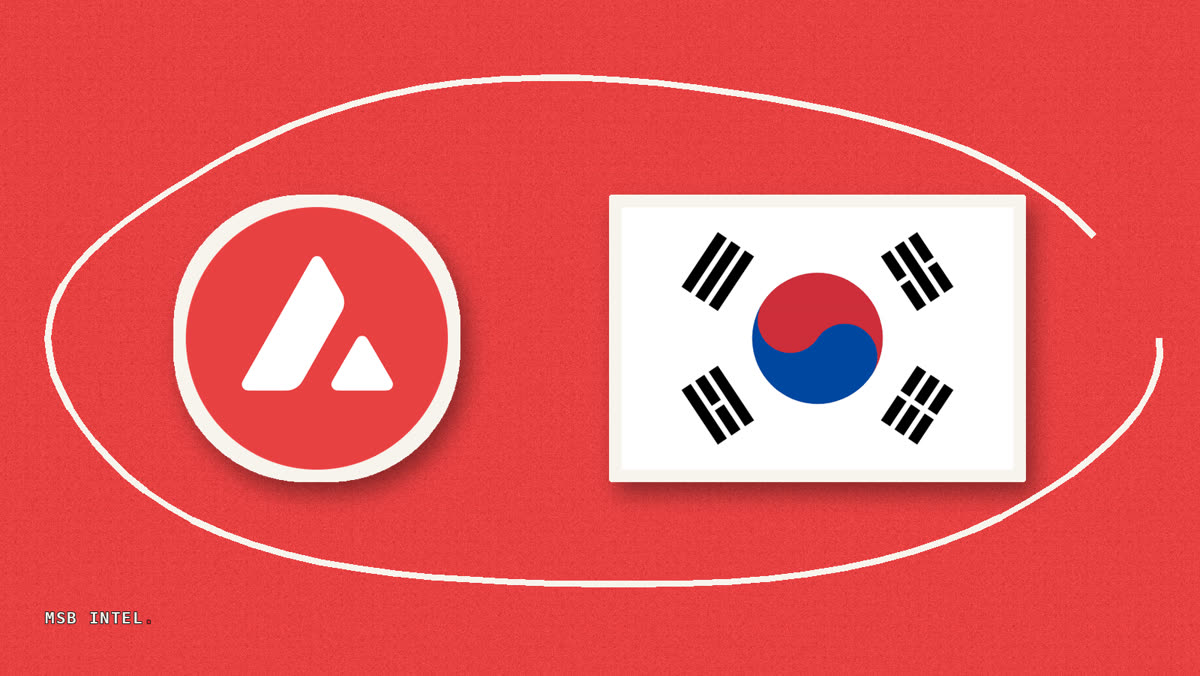
The FSC has not mandated which blockchain network or networks will serve the tokenized market. Avalanche, a proof-of-stake blockchain, positioned itself as a candidate after the announcement, but no official FSC designation has occurred. Other networks including Ethereum could technically support the infrastructure if they meet FSC technical and compliance requirements.
South Korea's move follows regulatory steps in Hong Kong, Singapore and the European Union to permit tokenized securities in limited pilot programs. The FSC's approach sets a hard implementation date rather than a pilot phase, meaning market participants will need to achieve production-ready infrastructure in under six months. The scope encompasses all three major asset classes at launch, not a staged rollout by asset type.
The February 2027 deadline is the constraint that will test whether custodians, exchanges and blockchain operators can coordinate on settlement finality, custody standards and regulatory reporting. If any of the three parties cannot meet FSC technical specifications by that date, the rollout will face delay.