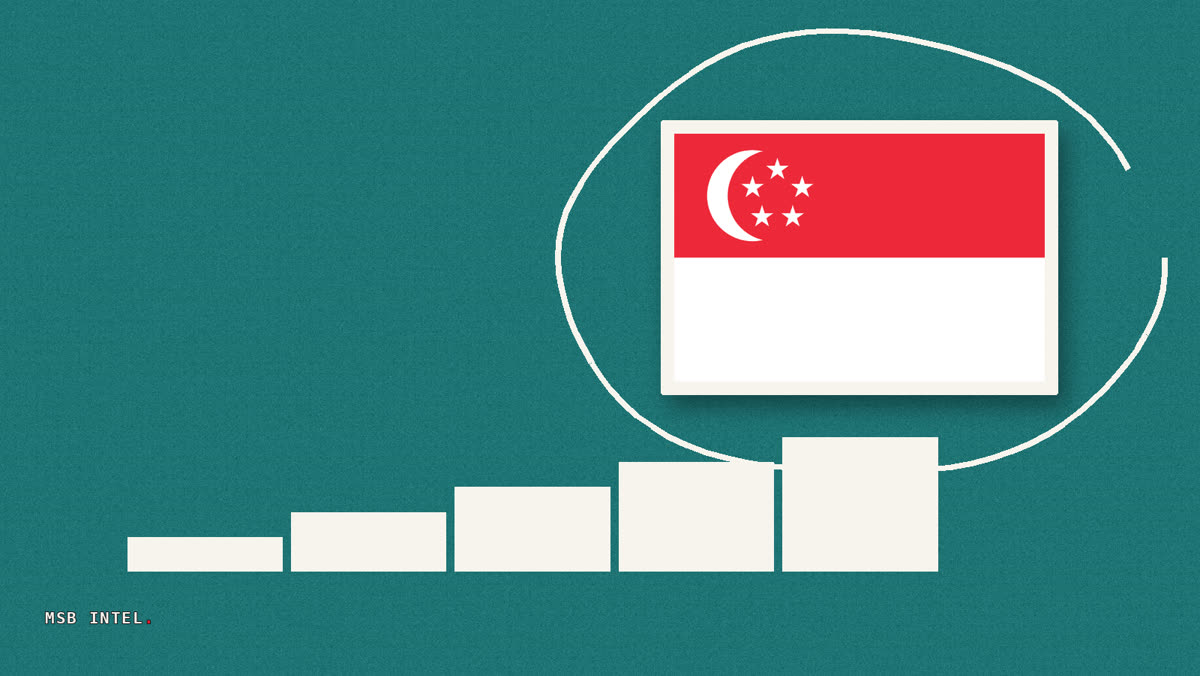
The Monetary Authority of Singapore has proposed amendments to the Payment Services Act that would create a dedicated stablecoin issuance license, requiring all issuers to maintain at least 100% reserve backing and prohibiting them from paying interest or other benefits tied to token holdings.
Only licensed issuers would be permitted to label their tokens "MAS-regulated stablecoins," according to the announcement published today. The proposal stems from a public consultation MAS launched on its Payment Services Act framework, setting out compliance obligations for stablecoin operators seeking authorization in the city-state.
Under the proposed rules, licensed issuers must meet specified redemption deadlines and refrain from commercial activities unrelated to stablecoin issuance. MAS would gain powers to trace, freeze and burn tokens tied to illicit activity as part of anti-money-laundering and counter-terrorism-financing requirements. Systemically important stablecoins that breach regulatory requirements could face circulation restrictions, including delisting by licensed digital-payment-token providers.
The framework mandates monthly attestations and annual audits to verify reserve backing. MAS has positioned the license as a path for stablecoin issuers to gain regulatory clarity, distinguishing approved tokens from unregulated offerings in a market where multiple stablecoins already operate across platforms serving Singapore-based users.
The European Union's Markets in Crypto-Assets Regulation took effect in 2023, establishing reserve and capital requirements. Switzerland's Financial Market Supervisory Authority has authorized stablecoin issuers including Tether and Circle under revised banking rules. Singapore's framework differs by mandating zero interest on holdings, a restriction some issuers have challenged in other jurisdictions as limiting product utility.
MAS is accepting feedback during a public consultation period before finalizing rules. The license structure allows Singapore to tighten oversight while creating a compliance-first category for digital assets.
The number of entities likely to pursue MAS stablecoin licensing remains unclear; major issuers Tether and Circle currently operate in Singapore without dedicated stablecoin licenses. If MAS enforces a hard prohibition on unlicensed stablecoin marketing in the city-state within 12 months of rule finalization, market participants will face a binary choice between licensing and market exit.