Safe Foundation launched Safenet Aegis, a decentralized security protocol for self-custody that generates fees for participants, live on Ethereum, Arbitrum and Gnosis Chain.
Safenet Aegis is the first fee-generating release of Safenet, a system where users submit transactions for review by designated sentinels in exchange for a small fee. The protocol's architecture routes every transaction through independent security auditors, who attest verdicts onchain; a formally verified Safenet Guard can then enforce those attestations and defend against threats. Governance proposal SEP 56, passed in September, authorized the fee mechanism and established that participants would be compensated onchain.
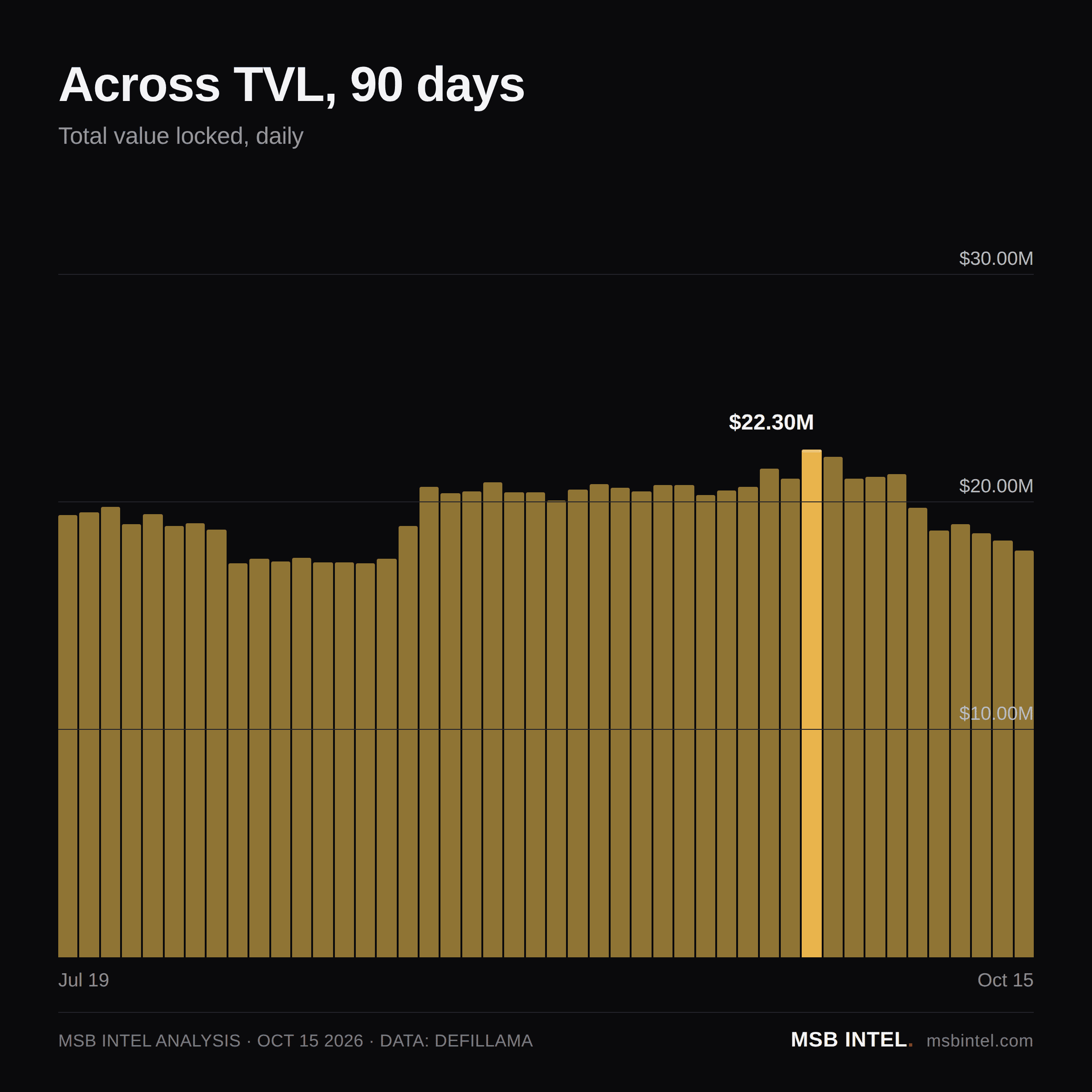
According to the announcement, the sentinels reviewing transactions include OpenCover, BlockSecTeam, Candide Labs and IntentGuard. Validators attesting verdicts onchain are Gnosis, Greenfield Capital, Safe Labs and Core Contributors. The system is secured by the SAFE token, which holders use to participate in the protocol's governance and economic guarantees.
Safenet operates as a permissioned network where each party has defined accountability. Sentinels certify transaction safety; validators confirm their rulings; and the Guard contract enforces the resulting attestation. Users pay a fee per transaction reviewed, creating a direct revenue stream for participants rather than a protocol subsidy model.
The three-chain deployment follows Safe's broader architecture. The protocol is expected to extend to Safe Labs multisigs in the coming period, expanding the set of custody arrangements that can participate in the security system. Safe Foundation said the fee structure and participant roster were designed to bootstrap the network while maintaining the formal verification standards required for custody infrastructure.
Safenet Aegis is the first production fee-generating release of Safenet Aegis, meaning prior versions either operated without participant compensation or were still in development. Three chains deployed on day one (Ethereum, Arbitrum, Gnosis Chain) versus a single-chain or testnet-only launch pattern shows the effort to establish multichain liquidity for participants from the start.