
Robinhood Chain's total asset market cap has exceeded $1 billion, with stablecoins representing 58% of the holdings, Ethereum 28%, and yield-bearing stablecoins the remaining 14%, according to on-chain data.
Nearly 90% of assets deployed on the chain are active in DeFi protocols, concentrated in lending and asset management services. The milestone comes roughly five months after Robinhood Markets launched its blockchain in March 2026 as a retail-focused alternative to Ethereum mainnet.
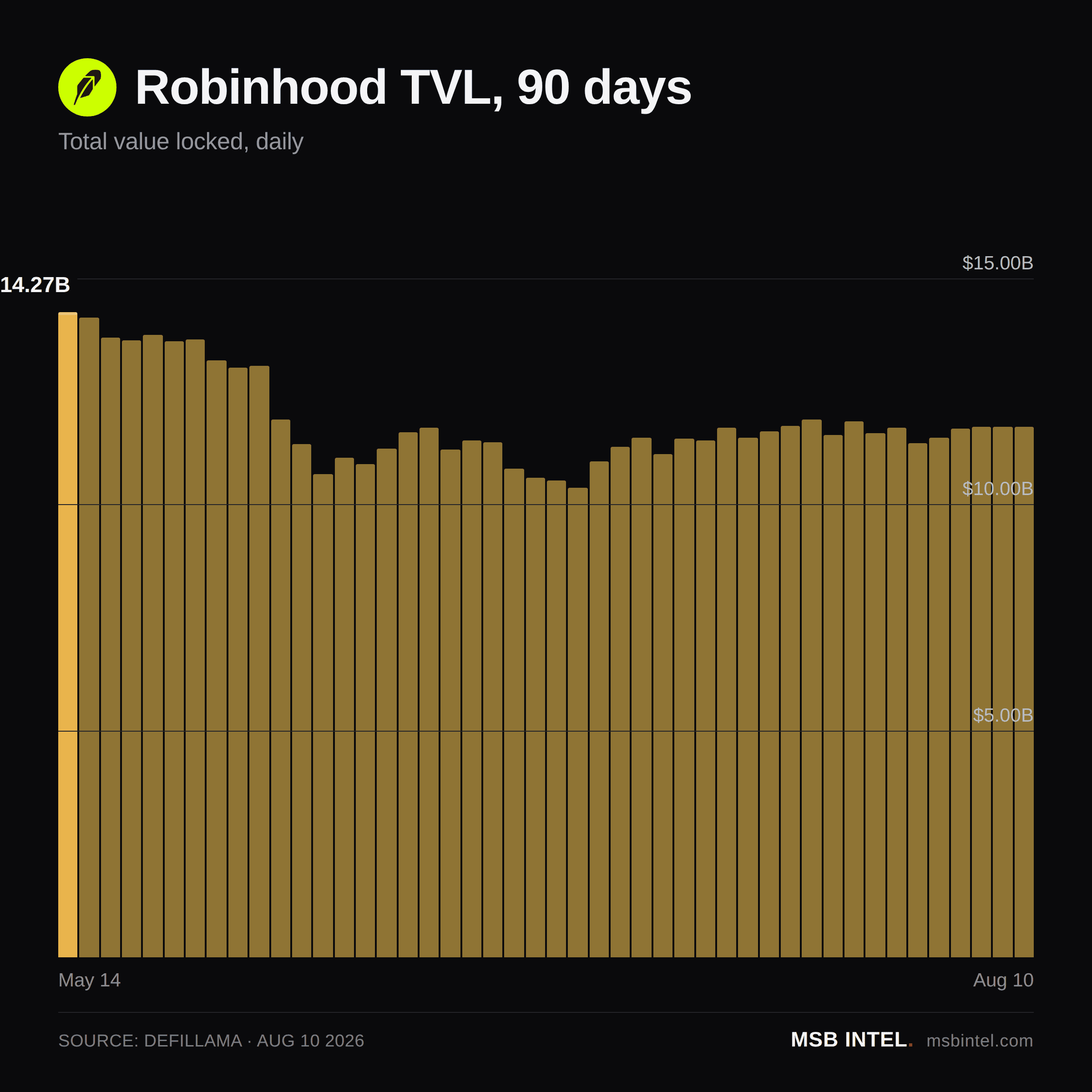
Robinhood Chain is designed to reduce transaction costs and settlement friction for retail traders moving stablecoins and other digital assets. The chain uses Solana's validator infrastructure through a partnership announced at launch. Transaction fees on Robinhood Chain are substantially lower than Ethereum Layer 1, making it competitive with other consumer-grade blockchains for high-volume, low-value trades.
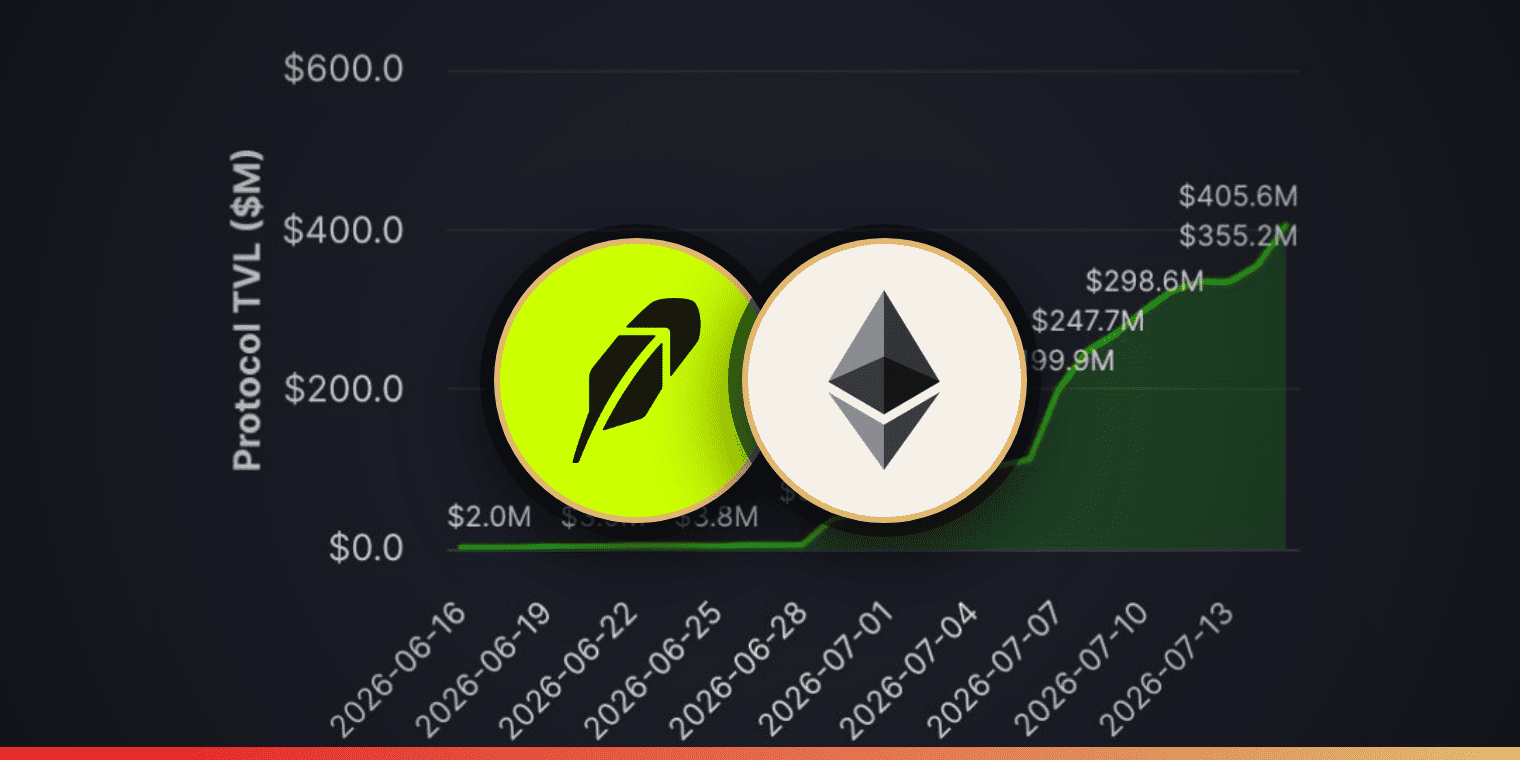
Stablecoins dominate the chain. Lending protocols on Robinhood Chain, which account for the majority of DeFi deployment, offer yield on stablecoin deposits and enable borrowing capacity for traders. Asset management services include liquidity pools and automated market makers tailored for retail participation.
The $1 billion milestone is material relative to newer Layer 1 blockchains. For comparison, Solana's early adoption curve reached $1 billion in total value locked roughly 18 months after mainnet launch in 2020. Robinhood Chain reached the figure in under six months, though total value locked and market cap of assets measure different pools and should not be directly equated.
Robinhood Markets has not disclosed a public roadmap for Chain expansion or token distribution. The company has stated its intention to maintain retail-focused design choices, including simplified user experience and low minimum deposit amounts. A majority of current users are existing Robinhood brokerage customers who migrated funds to test the chain after launch.
The velocity of capital flowing onto Robinhood Chain will depend on sustained adoption among retail participants and expansion of DeFi protocol offerings. If deposits remain flat over the next quarter, the chain may face pressure to attract new user cohorts beyond existing Robinhood brokerage holders.