
Robinhood CEO Vlad Tenev said tokenization of US equities has expanded access to more than 120 countries, while American investors remain unable to trade tokenized versions of US stocks on domestic platforms. Tenev made the remarks in a post on X on August 18, according to company statements.
Tokenized stocks are blockchain-based representations of equities that trade continuously outside traditional market hours and can be settled in minutes rather than days. The regulatory gap between US and overseas markets has created an asymmetry: Robinhood and other US brokers offer tokenized stocks to international users but face legal uncertainty about offering the same products domestically.
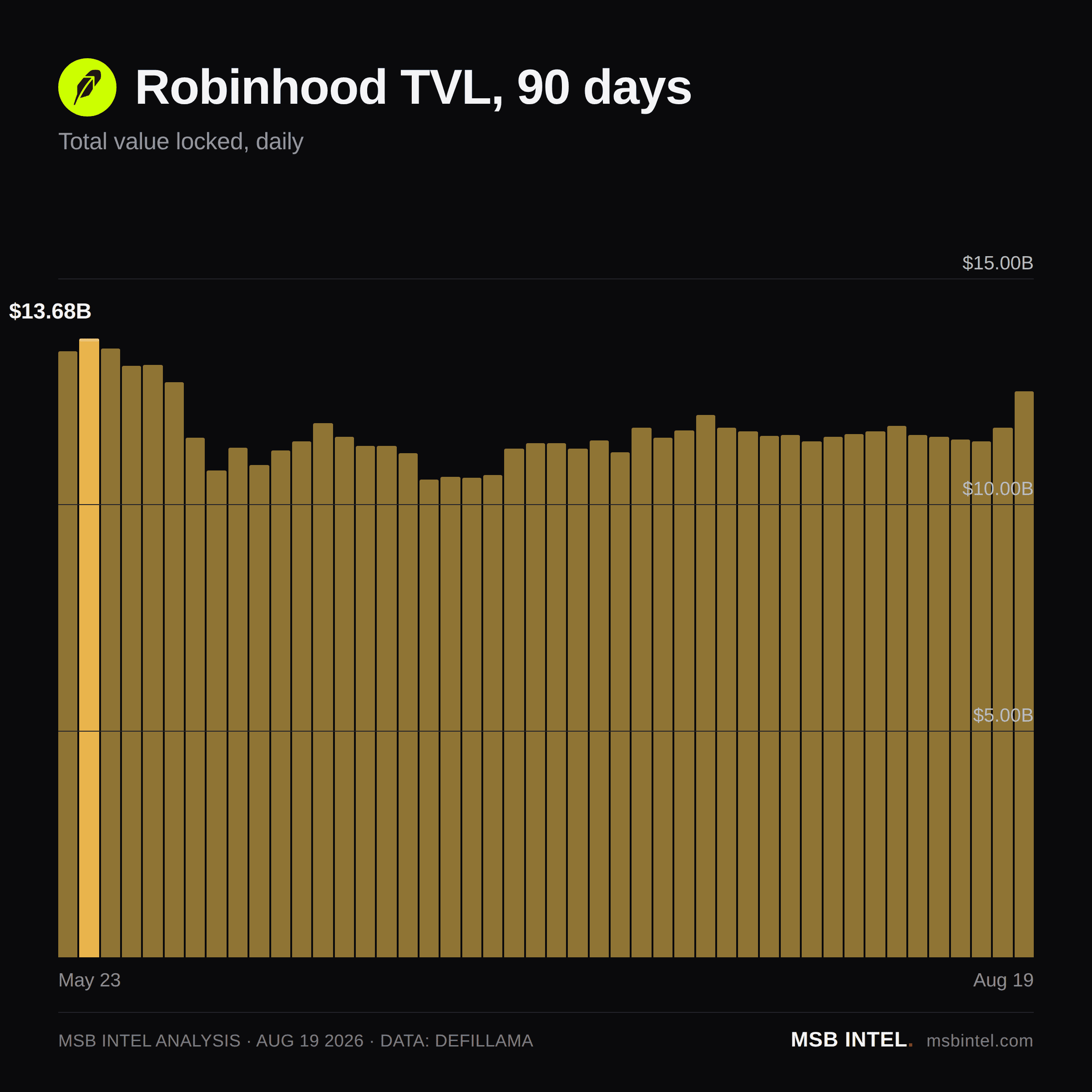
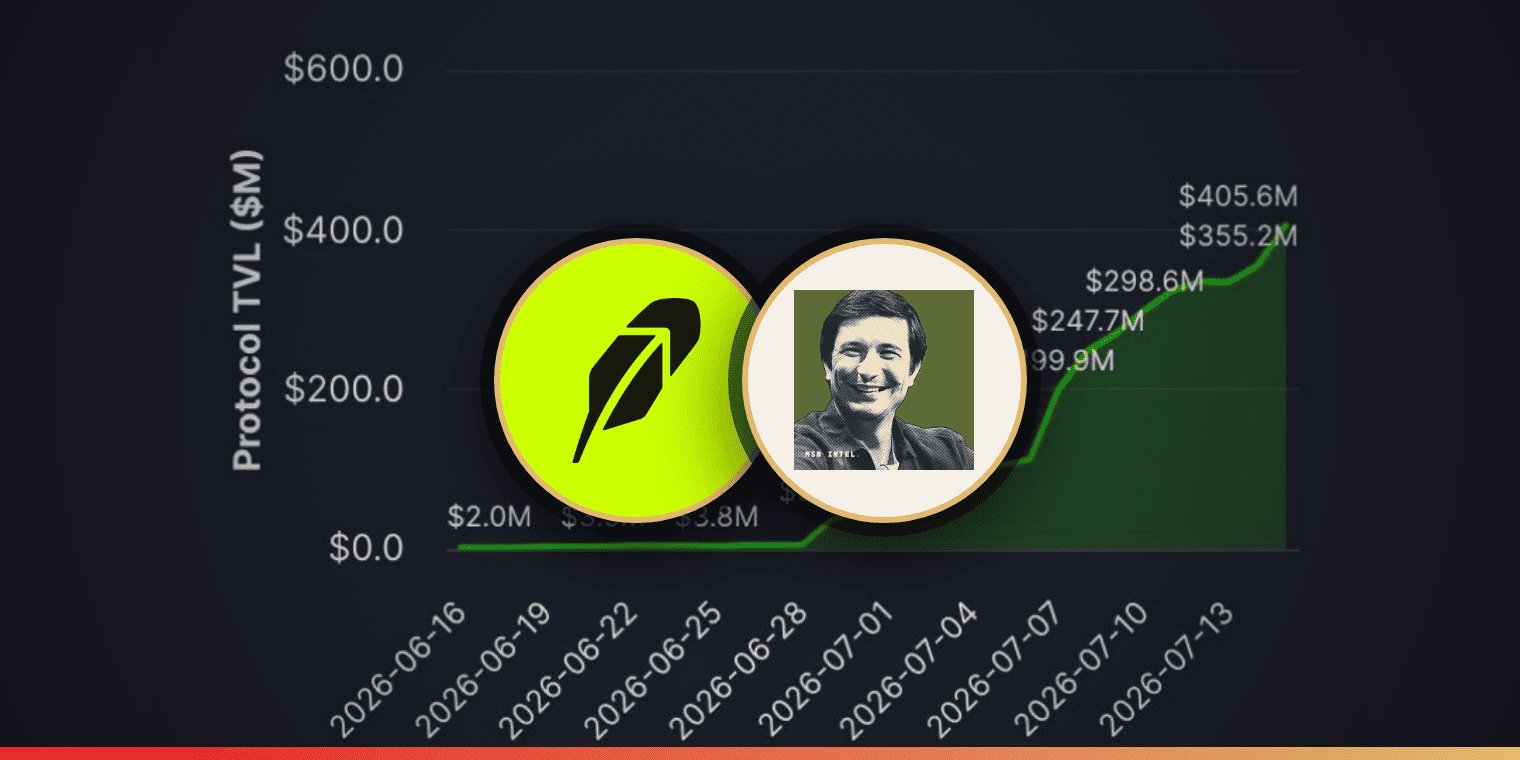
Tenev's platform currently supports trading in more than 190 tokenized US stocks for users outside the United States. Tenev said US capital markets risk falling behind if regulators do not establish clear rules for domestic tokenization. Tenev did not specify timelines for US regulatory clarity or Robinhood's domestic tokenization plans.
The tokenized equity market has grown sharply in 2026, driven largely by offshore platforms and international investors seeking round-the-clock trading access. Platforms operating outside US jurisdiction have faced fewer compliance obstacles, allowing European and Asian exchanges to build scale faster than their American counterparts. The regulatory vacuum in the US has not halted adoption among international users; it has simply excluded domestic ones.
Sec. 4(c) of the Securities Act and SEC guidance on asset tokenization remain unsettled. The agency has not issued rules on whether tokenized equities qualify as securities requiring registration or exemptions. Without explicit guidance, US brokers have avoided offering the products domestically to minimize enforcement risk. Tenev's statement reflects growing pressure from the brokerage industry for the SEC to clarify the legal path forward.
The 190-country figure represents a roughly 58% increase from publicly reported figures earlier in 2026, showing rapid expansion of Robinhood's tokenization footprint outside the US. This growth abroad while domestic offerings remain blocked shows how regulatory uncertainty has bifurcated the market. The number that decides whether this gap closes is whether the SEC publishes proposed rules on tokenized equity trading and what registration or exemption threshold those rules establish.