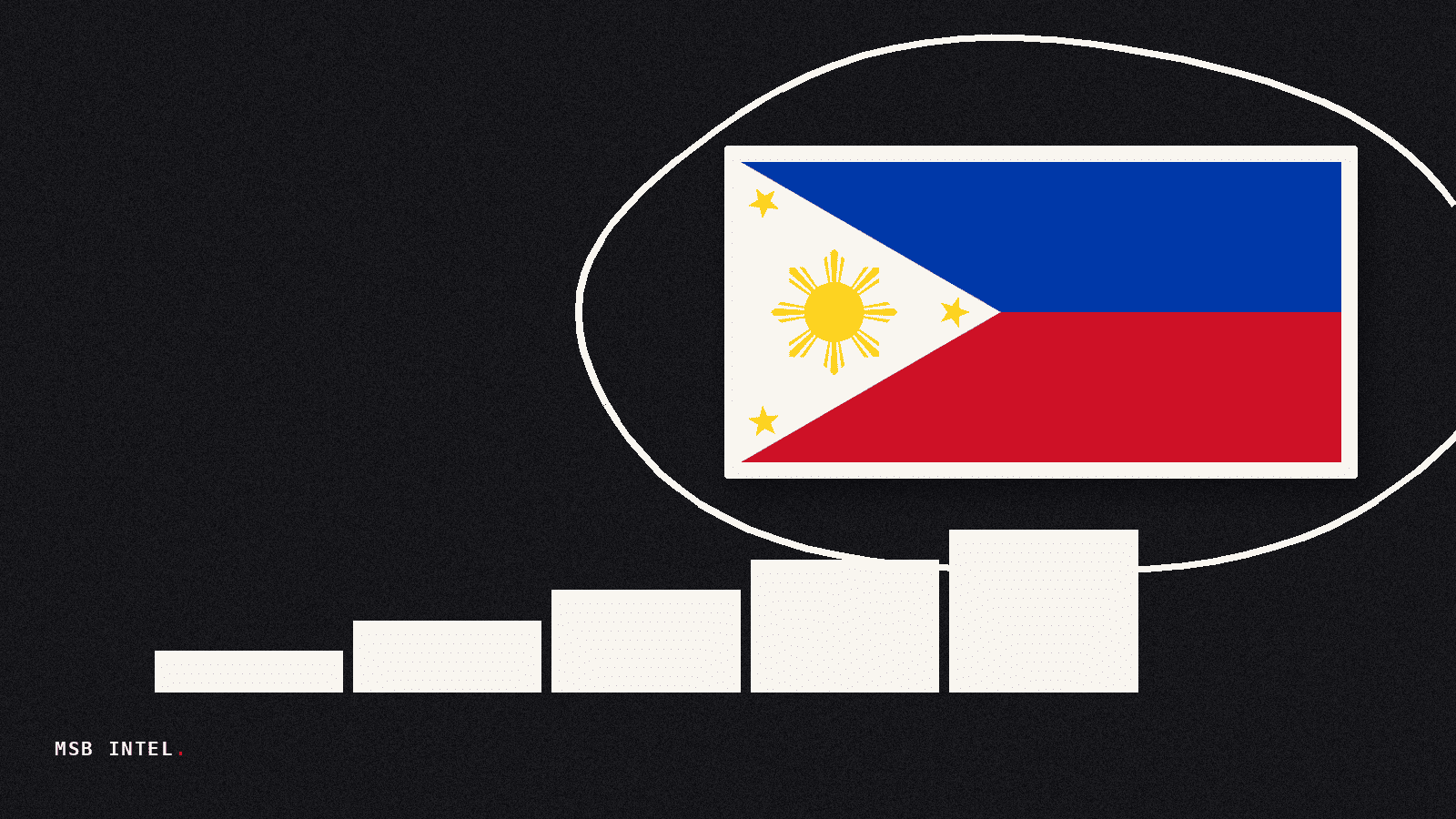
The Philippine government will borrow 3.3 trillion pesos ($54 billion) in 2027, a 13.6 percent increase from its 2026 plan, according to reporting on its fiscal strategy released this week.
The jump comes after a year marked by Middle East tensions and a corruption scandal that weighed on growth. The borrowing plan sits within the government's broader medium-term fiscal framework, which sets debt and deficit targets across a multi-year horizon.
The Philippines has relied on external and domestic borrowing to finance deficits that have widened in recent years. In 2026, the government planned to borrow 2.68 trillion pesos. The 2027 target of 3.043 trillion pesos is the largest annual borrowing amount in the current fiscal plan. Peso-denominated debt still dominates the portfolio, though the central bank has allowed selective foreign currency issuance to diversify funding sources and manage exchange rate exposure.
Regional fiscal pressures have intensified across Southeast Asia as central banks maintain higher rates to fight inflation and as growth forecasts moderate. The Philippines' debt-to-GDP ratio has climbed above 60 percent in recent years, a level that credit rating agencies monitor closely when assessing sovereign risk. Fitch and Moody's have both flagged debt sustainability as a concern, though both maintain investment-grade ratings on Philippine sovereign debt.

The government said 2027 borrowing will fund capital expenditure on roads, ports, and public utilities, along with social programs. Officials have not yet detailed the currency composition or maturity profile of the 2027 issuance, which will be determined through the year ahead.
The 13.6 percent increase from 2026 levels outpaces nominal GDP growth expectations for the Philippines, which economists project at roughly 6 to 7 percent for 2027. Borrowing that grows faster than nominal GDP raises the debt-to-GDP ratio unless the new spending generates sufficient economic returns to offset the additional debt service.
The document to watch is the government's detailed borrowing calendar and currency breakdown for 2027, expected to be published in the first quarter, which will clarify whether Manila intends to rely more heavily on foreign currency issuance or domestic peso sales.