Morpho and Euler, two major decentralized finance protocols, have gained access to South Korea's crypto market through new listings on Upbit, the country's largest exchange, in Korean Won pairs.
Morpho listed on Upbit's KRW market on July 25 at 18:00 KST, followed by Euler on July 26. Both tokens now trade against the Korean Won, opening them to one of Asia's most active retail and institutional crypto geographies. Upbit processes billions in daily KRW volume and dominates Korean spot trading.
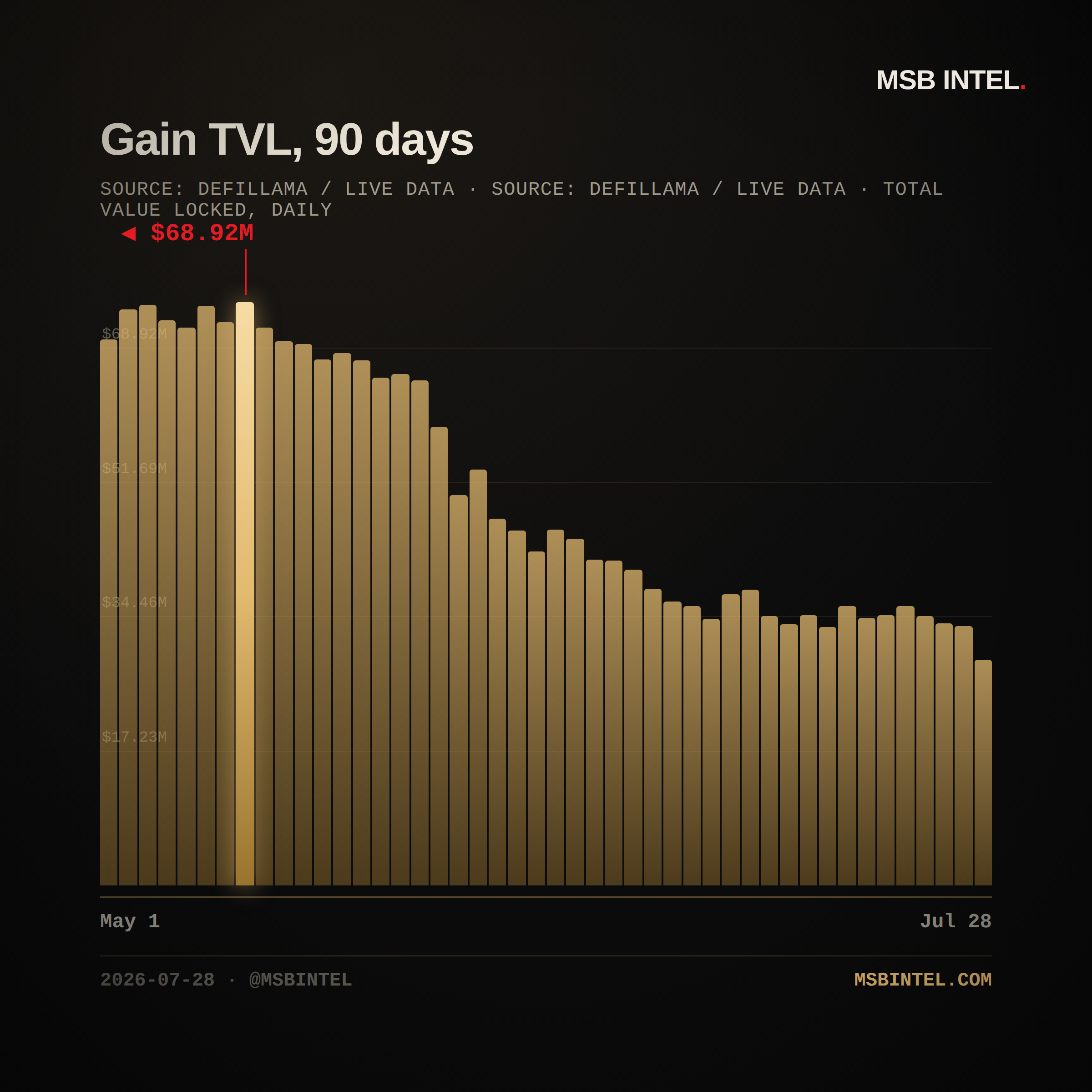
Morpho operates a lending protocol built on Ethereum that allows users to create customized lending pools. The project has grown to over $1 billion in total value locked since its mainnet launch in 2023. Euler operates a similar decentralized lending and borrowing platform, also on Ethereum, and has rebuilt its protocol following a 2023 exploit that cost users tens of millions of dollars.
The KRW listings expand both protocols' footprint in a region where retail participation in decentralized finance remains concentrated on centralized exchanges. South Korea has historically driven significant volumes in altcoin trading. Access to major exchange venues often precedes wider adoption of tokens among Korean users. Upbit's market data shows KRW pairs attract both retail and institutional trading activity distinct from stablecoin-denominated pairs on global venues.
Neither protocol has disclosed transaction fees, lockup periods, or other trading conditions tied to the Upbit listing. The timing places both tokens in front of Korean traders during a period of renewed interest in DeFi lending protocols across Asia. Morpho and Euler join a growing roster of DeFi native tokens now accessible through major Korean exchanges, a trend that has accelerated through 2024.
Upbit's addition of the two tokens is part of the exchange's strategy to expand its KRW market offerings beyond Bitcoin and Ethereum. The exchange operates under South Korea's regulatory framework and maintains licenses under the Digital Asset Business Act.
Both tokens now trade on a venue with direct KRW on and off ramps, removing a transaction layer for Korean users previously forced to acquire them on international exchanges or through stablecoin bridges. The two listings arrived within 48 hours of each other. The number of DeFi protocols available on major Korean exchanges remains a measurable constraint on retail participation in the sector, making each new listing a material expansion of accessible liquidity for Korean-domiciled traders.