Chase, JPMorgan's banking arm, has asked Visa to investigate transactions on Robinhood Wallet and social trading app Fomo that allow users to purchase meme coins such as WIF using credit cards without completing separate know-your-customer checks.
According to an investigation, users can buy meme coins directly through Crossmint using Visa and Mastercard credit cards, as well as Apple Pay and Google Pay, because the transactions are classified as "digital goods or media" rather than cryptocurrency purchases. This classification allows cardholders to continue earning standard credit card points and cash back rewards. Chase believes the transactions were incorrectly categorized and should not qualify for rewards, and the New York Attorney General's Office said it is reviewing the matter.
Credit card networks including Visa and Mastercard have strict rules governing cryptocurrency transactions. Visa's operating regulations prohibit cardholders from using credit cards to buy crypto directly, and merchants who process such transactions can face fines or account termination. The digital goods classification has become a workaround: transactions coded this way bypass the networks' crypto restrictions because they fall under merchant categories for software, apps, and media content.
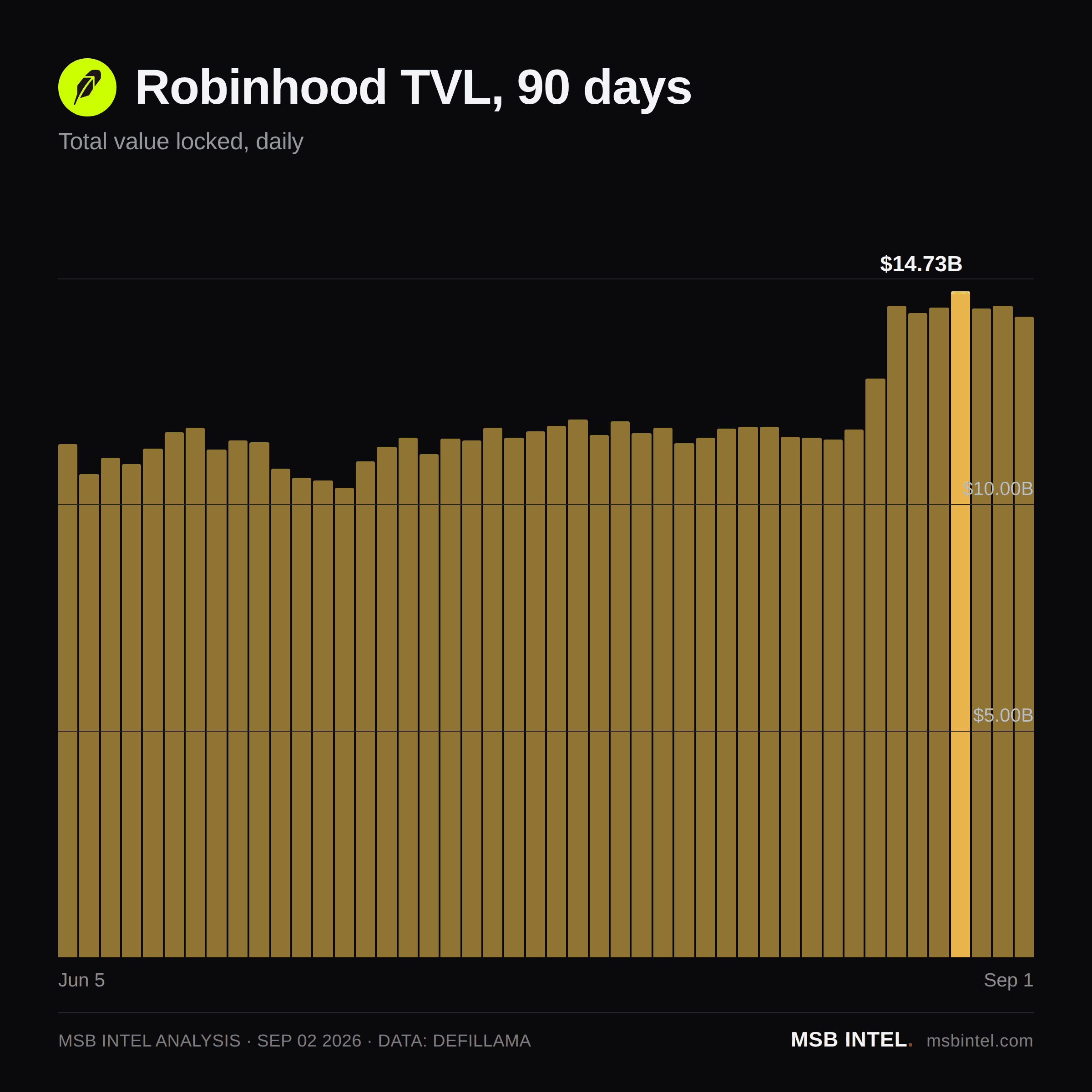
Robinhood Wallet, launched in 2024, allows users to trade tokens and purchase crypto using traditional payment methods. Fomo, which describes itself as a social trading platform for digital assets, integrated Crossmint's payment infrastructure to enable credit card purchases of meme coins. Crossmint is a crypto-fiat on-ramp provider that processes transactions across multiple payment rails.
The structure exploits a gap between how card networks classify merchant activity and how payment processors categorize transactions. When a purchase is coded as digital goods, Visa's and Mastercard's monitoring systems do not flag it as a cryptocurrency transaction, allowing the sale to complete with standard rewards attached. This differs from direct crypto purchases, which card networks typically decline or process without rewards.
Chase's request to Visa represents pressure from a major issuing bank to enforce existing rules. If Visa agrees that the transactions were misclassified, it could revoke rewards on pending or past purchases, reclaim rewards already earned, or terminate Crossmint's merchant account. Robinhood and Fomo users who made such purchases could face chargebacks or account restrictions.
The New York Attorney General's Office is reviewing the matter. Regulatory bodies have flagged the use of payment workarounds to circumvent financial controls, particularly for retail-facing platforms. Chase's escalation to Visa indicates that the three largest payment networks, Visa, Mastercard, and American Express, may face coordinated pressure to tighten classification controls.